


At a glance
Potato bread and white bread differ slightly in ingredients, but both are high in refined carbohydrates that spike blood sugar and offer limited nutritional value. Many store-bought varieties also contain added sugars, starches, and preservatives, making them overall low-quality choices. Selecting lower-glycemic, nutrient-dense bread alternatives is a healthier way to support steady energy and metabolic balance.
Potato bread vs. white bread—what’s the healthier choice?
Potato bread, made with real potatoes or potato flour, tends to be denser and slightly sweeter, whereas white bread is softer, offering a lighter, more fluffy texture.
However, both types of bread are high in carbohydrates, which can contribute to weight gain and metabolic imbalances, making low-carb alternatives a smarter choice for your health.
Is bread healthy?
Traditional options such as whole-grain bread are generally considered more nutritious than refined white bread, as they’re made with whole wheat flour that contains both wheat bran and wheat germ.
However, both whole-grain and white bread are high in carbohydrates, which can affect energy balance and blood sugar stability, potentially contributing to weight gain.
Frequent consumption of high-carb foods can trigger spikes and crashes in glucose levels, which trigger insulin fluctuations and, over time, can promote insulin resistance.
Insulin resistance is a metabolic imbalance that can impact body weight regulation, contribute to inflammation and fat accumulation, and disrupt cellular energy-making processes.
Moreover, blood sugar and insulin fluctuations may strain the cardiovascular system, as chronically elevated insulin levels are associated with higher triglycerides and reduced arterial flexibility, which can negatively impact circulatory functions.
In addition, many store-bought loaves contain added sweeteners and starches, preservatives, and colorings, which have no nutritional value and make them poor choices for long-term health.
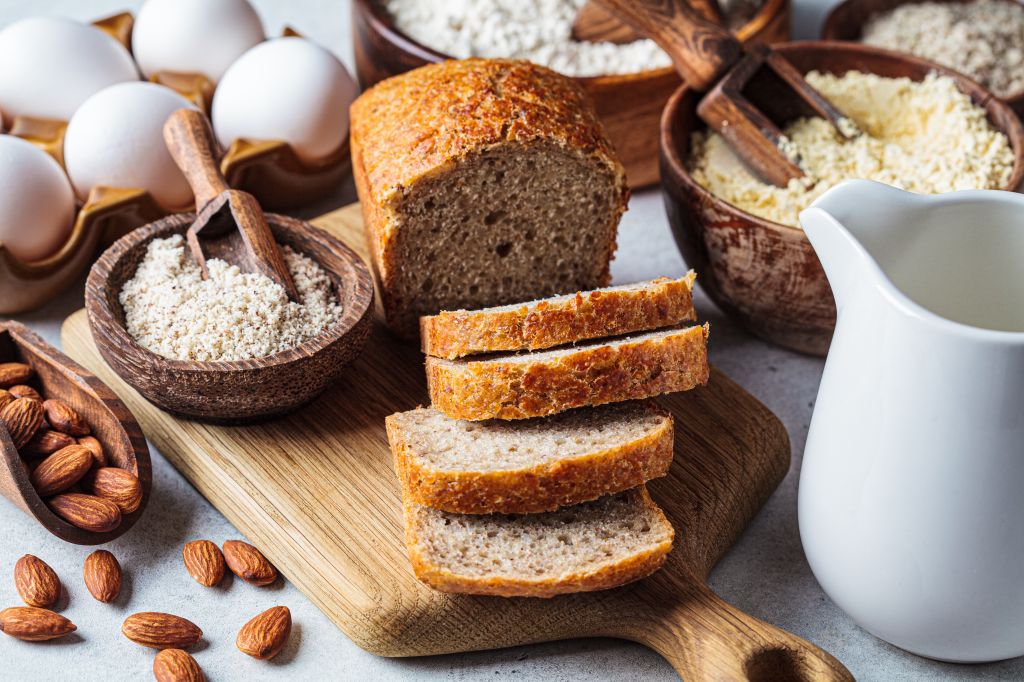
Selecting breads made with low-carb flours can be a healthier option. Coconut flour, almond flour, and flaxseed meal are all excellent substitutes for traditional wheat flour, providing more protein, healthy fats, and dietary fiber.
Watch the video below to find out whether potatoes or bread is worse for your health.
Understanding the glycemic index
The glycemic index (GI) is a measurement scale that ranks foods based on how quickly they raise blood sugar levels after eating.
According to MedlinePlus, foods are generally classified into three GI ranges:
- Low GI: 55 or below
- Medium GI: 56 to 69
- High GI 70 and above
“High-GI foods are broken down quickly, causing a rapid rise in blood glucose concentrations,” explains Dr. Berg. “This causes blood sugar to spike and then drop, leading to energy fluctuations throughout the day.”
In contrast, foods rich in healthy fats and fiber, such as avocados, nuts, and seeds, have a lower GI, meaning they digest more slowly and offer a gradual and steadier release of energy.
Monitoring sugar intake and choosing foods with a low GI can help maintain stable energy and promote a more balanced metabolism.
Even small adjustments, such as eating smaller portions or pairing high-GI foods with fiber or protein-rich options, can reduce sharp spikes in blood glucose.

Potato bread vs. white bread
Bread varieties may look similar, but their ingredients and how they affect your body can differ significantly.
Let’s look at the differences between potato bread and white bread.
Potato bread
Potato bread is made with potato flour or potato flakes, giving it a soft, moist consistency and slightly sweet flavor.
With a GI of around 61, potato bread causes a smaller blood sugar rise than white bread. However, it’s still high in refined carbohydrates and can lead to blood sugar fluctuations and related health concerns.
Here’s a closer look at the nutritional profile of one slice of potato bread:
- 85 calories
- 4 g protein
- 1 g fat
- 15 g total carbs
- 3 g fiber
- 12 g net carbs
Frequently choosing potato bread can overwhelm the body with fast-digesting carbs, potentially affecting long-term heart health.
This has been confirmed by a study published in the Environmental Research and Public Health, which found that consumption of steamed potato bread daily for eight weeks increased systolic blood pressure and lowered levels of beneficial high-density lipoprotein (HDL) cholesterol.
In addition, many commercial potato breads also contain seed oils, added sugars, and preservatives, which can negatively affect digestive functions and cardiovascular health.
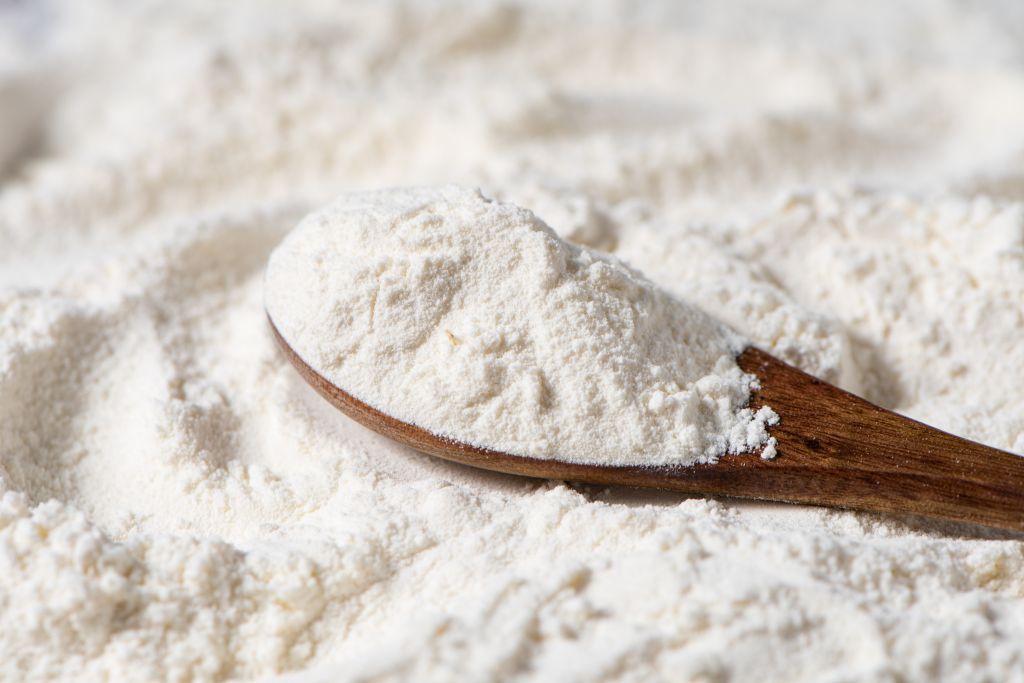
White bread
White bread is made with refined wheat flour, from which the bran and germ have been removed, leaving mainly the starchy endosperm.
Because of its heavy industrialized processing, wheat flour is stripped of most B vitamins, natural fiber, and minerals such as iron and magnesium, significantly lowering its nutritional value.
Here’s the nutritional profile of one slice of white bread:
- 72 calories
- 2 g protein
- 1 g fat
- 13 g total carbs
- 1 g fiber
- 12 g net carbs
Furthermore, research published in Advances in Nutrition suggests that bread made with refined grains causes significant glucose spikes, which can increase the risk of type 2 diabetes and other chronic conditions.
White bread’s low fiber content also means it offers less support for gut health, which may contribute to sluggish digestion.
In addition, store-bought white bread varieties often contain added sugars, emulsifiers, and synthetic vitamins that enhance appearance and shelf life.
Although these additives may improve the bread’s taste and texture, they’re associated with gut inflammation, immune responses, poor metabolic health, and weight gain.
Healthier bread alternatives
While white and potato bread are enjoyed in many households, they aren’t ideal choices to support long-term health and well-being.
Fortunately, there are plenty of low-carb alternatives that offer greater nutritional value.
Almond flour bread
Almond flour bread provides high concentrations of vitamin E, magnesium, and healthy fats. It’s also gluten-free, making it an excellent option for those with celiac disease or gluten intolerance.
Almond flour bread’s naturally nutty flavor pairs well with sweet and savory toppings, and its protein content helps promote satiety throughout the day.
Moreover, this versatile ingredient boasts a GI of less than one. Unlike white bread, which typically scores between 70 and 100, its low GI helps maintain steady blood sugar levels, which is linked to better metabolic health and weight management.
Coconut flour bread
Coconut flour bread is crafted from dried coconut meat and is naturally gluten-free, providing a light yet nutrient-rich option.
It also supplies beneficial fats in the form of medium-chain triglycerides (MCTs) along with trace minerals such as manganese and selenium that support metabolic function and overall vitality.
With a low GI ranging from 35 to 51, this delicious bread also supports steady blood sugar levels, minimizing the risk of glucose fluctuations and associated health issues.
Its mild sweetness and delicate texture make coconut flour bread a pleasant contrast to denser nut-based breads while offering a satisfying grain-free choice.

Flaxseed bread
Evidence published in The Canadian Journal of Cardiology suggests that flaxseed, which is rich in the plant-based omega-3 fatty acid alpha-linoleic acid (ALA), may help support heart health.
Flaxseed also provides plant-based protein, magnesium, phosphorus, and small amounts of zinc, all of which help support bone strength and muscle function.
Moreover, its dense crumb delivers a hearty texture with a slightly nutty taste, pairing well with wholesome spreads and toppings.
Due to its low GI of 35, flaxseed bread helps maintain steady energy levels throughout the day.
Chia seed bread
Chia seed bread is packed with nutrients such as calcium, phosphorus, iron, and plant-based protein, making it an excellent choice for supporting strong bones, oxygen transport, and energy metabolism.
This nourishing ingredient is also one of the few plant-based sources of complete protein, meaning it contains all nine essential amino acids crucial for muscle tissue growth and repair.
With only 7 g of net carbs per 100 g, chia seeds offer a significantly lower-carb and more nutrient-rich alternative to white bread, which contains about 47 g per 100 g.
Additionally, chia seed bread is a rich source of omega-3 fatty acids and antioxidants, which promote cellular health and hydration balance.
With its soft, chewy texture and impressive ability to stay moist and fresh, chia seed bread offers a nourishing and satisfying alternative to traditional loaves.
Key takeaways
- Both potato bread and white bread are high-carb, low-fiber options that can contribute to rapid glucose spikes and energy crashes.
- White bread is made from refined wheat flour, which lacks fiber, B vitamins, and minerals, resulting in poorer blood sugar control.
- Regular intake of refined breads may encourage weight gain, insulin resistance, and reduced cardiovascular and metabolic resilience.
- Nutrient-dense and low-carb alternatives, such as almond flour, coconut, and flaxseed breads, offer more protein, fiber, and healthy fats, helping you stay fuller for longer while supporting better metabolic balance.
FAQ
- 1. Is potato bread healthier than white bread?
- 2. What is the healthiest bread to eat?
- 3. Does potato bread have less gluten than regular bread?
- 4. Is potato bread good for weight loss?
- 5. How can I choose a healthier store-bought bread?
Sources
- Glycemic index and diabetes: MedlinePlus Medical Encyclopedia. medlineplus.gov. Accessed 2026. https://medlineplus.gov/ency/patientinstructions/000941.htm
- Xu H, Guo Y, Lu S, et al. Effect of Steamed Potato Bread Intake on Glucose, Lipids, and Urinary Na+ and K+: A Randomized Controlled Trial with Adolescents. Int J Environ Res Public Health. 2020;17(6):2096. https://pmc.ncbi.nlm.nih.gov/articles/PMC7143724/
- Schadow AM, Revheim I, Spielau U, et al. The Effect of Regular Consumption of Reformulated Breads on Glycemic Control: A Systematic Review and Meta-Analysis of Randomized Clinical Trials. Adv Nutr. 2023;14(1):30-43. https://pmc.ncbi.nlm.nih.gov/articles/PMC10102991/
- Rodriguez-Leyva D, Dupasquier CM, McCullough R, Pierce GN. The cardiovascular effects of flaxseed and its omega-3 fatty acid, alpha-linolenic acid. Can J Cardiol. 2010;26(9):489-96. https://pmc.ncbi.nlm.nih.gov/articles/PMC2989356/
Related Articles
-
How Does Sugar Affect Digestion?
 Digestive health
How Does Sugar Affect Digestion?
At a glance Sugar is a carbohydrate that the digestive system breaks down into simple molecules for absorption and energy use. While this is a normal part of metabolism, sugar…09/24/2026 -
7 Common Intermittent Fasting Myths Debunked
 Diet
Diet7 Common Intermittent Fasting Myths Debunked
At a glance Intermittent fasting is an increasingly popular dietary pattern that is often misunderstood. Many common concerns surrounding intermittent fasting, including muscle loss, hormonal disruption, and metabolic slowdown, are…09/03/2026 -
Walking After Meals: Why Post-Meal Walks Matter
 Healthy lifestyle
Walking After Meals: Why Post-Meal Walks Matter
At a glance Post-meal habits can influence how the body responds after eating. During this period, digestion, blood sugar balance, insulin activity, and circulation all shift to help the body…08/13/2026 -
What Is Time-Restricted Eating?
 Diet
DietWhat Is Time-Restricted Eating?
At a glance Time-restricted eating is a form of intermittent fasting that limits meals to a consistent daily eating window. This approach focuses on when food is consumed rather than…08/13/2026 -
Ketones vs. Glucose: How Your Body Uses Fuel
 Diet
DietKetones vs. Glucose: How Your Body Uses Fuel
At a glance Ketones and glucose are two fuels the body can use, but they are produced and used under different metabolic conditions. Glucose is closely tied to carbohydrate intake,…08/13/2026 -
Blood Sugar Spikes: What Causes Them and Tips for Balance
 Blood sugar and insulin
Blood Sugar Spikes: What Causes Them and Tips for Balance
At a glance Blood sugar spikes are rapid increases in blood glucose that often happen after eating foods high in sugar or refined carbohydrates. While a temporary rise in blood…07/23/2026 -
What Is the Best Meal Timing for Stable Energy?
 Diet
DietWhat Is the Best Meal Timing for Stable Energy?
At a glance Meal timing can influence daily alertness, hunger cues, and blood sugar patterns. The body processes food according to internal rhythms that affect insulin, digestion, and metabolic activity.…07/17/2026 -
“Sugar-Free” Label Claims: What They Actually Mean
 Food and Drink
“Sugar-Free” Label Claims: What They Actually Mean
At a glance Sugar-free labels are commonly used on packaged foods and beverages to indicate minimal sugar content per serving. However, this claim is based on specific labeling criteria and…07/16/2026 -
Why You Crave Carbs and How to Reduce Cravings
 Nutrition
Why You Crave Carbs and How to Reduce Cravings
At a glance Carb cravings are often influenced by blood sugar regulation, hormone activity, and nutrient status. These cravings are not always driven by hunger and may reflect underlying metabolic…07/16/2026 -
Artificial Sweeteners: Types, Pros, and Cons
 Nutrition
Artificial Sweeteners: Types, Pros, and Cons
At a glance Artificial sweeteners are widely used in sugar-free and low-calorie products as substitutes for added sugar. These compounds provide sweetness with little to no calories or carbohydrates and…06/05/2026