

At a glance
Hydrogen peroxide mouthwash combines natural cleansing properties with oral care benefits, helping to freshen breath and brighten teeth. Often used as an alternative to commercial rinses, it avoids the synthetic additives and alcohol found in many store-bought products. When properly diluted, it can help maintain a balanced oral environment and support overall dental hygiene.
Mouthwash is used to promote oral health and freshen your breath. However, conventional mouthwashes often contain potentially harmful ingredients such as artificial dyes, synthetic flavors, alcohol, and fluoride.
Using a diluted hydrogen peroxide solution may offer a natural alternative to conventional mouthwashes due to its strong cleansing and antibacterial properties.
Discover the benefits of hydrogen peroxide for oral health, and learn how to make hydrogen peroxide mouthwash at home.
What is hydrogen peroxide?
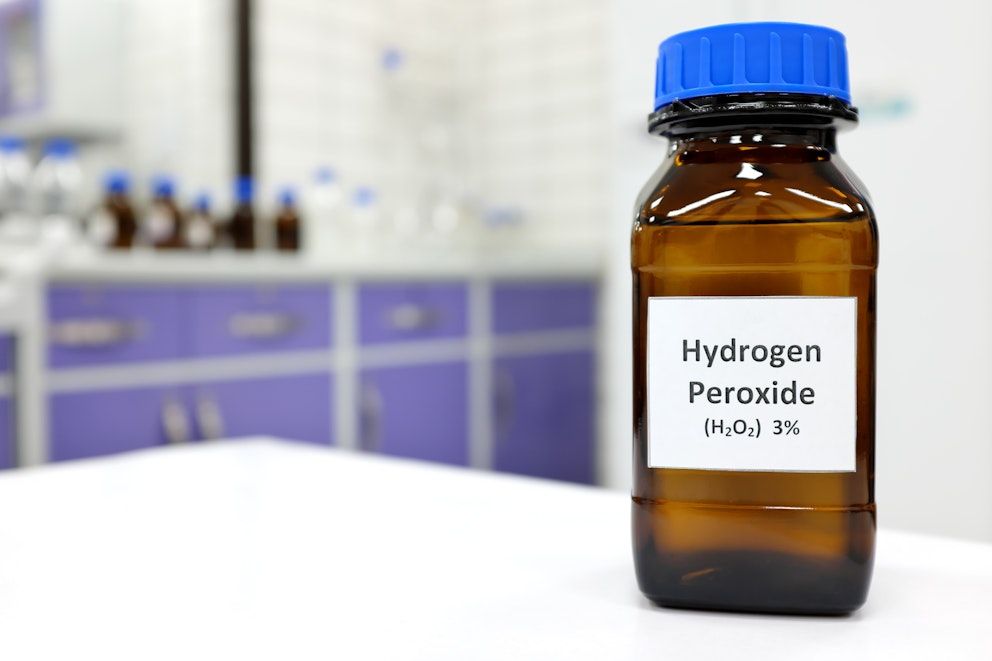
Hydrogen peroxide is a natural chemical compound made of hydrogen and oxygen, typically available in drug stores as a 3 to 6 percent solution.
It’s widely used for household purposes, such as cleaning surfaces, removing laundry stains, and minimizing mold growth on non-porous materials. It also plays a role in oral care products and is commonly used to clean minor skin abrasions.
The body naturally produces small amounts of hydrogen peroxide as part of its internal defense system. It helps maintain microbial balance by oxidizing unwanted compounds and supporting immune function.
“Your white blood cells produce hydrogen peroxide as a defense mechanism to protect against invading fungi, parasites, and yeast,” explains Dr. Berg.
Additionally, hydrogen peroxide supports the body’s ability to neutralize superoxide radicals, a highly reactive form of oxygen that can damage DNA, proteins, and cellular organelles.
Hydrogen peroxide concentrations above six percent aren’t recommended for routine use and should never be applied directly to the skin or mouth, as this can trigger irritation, delay healing, and increase the risk of tissue and skin damage.
Watch the video below to learn more about the benefits of hydrogen peroxide for oral health.
Conventional vs. homemade mouthwash
Many conventional mouthwashes contain hydrogen peroxide for its whitening and antibacterial properties. However, they’re often made with other potentially harmful ingredients, including fluoride, artificial colors, synthetic flavors, and alcohol.
Though dentistry points to fluoride’s potential benefits for oral health, excessive fluoride exposure can lead to tooth discoloration and has been linked to long-term health risks.
Additionally, artificial dyes such as Blue 1 and Yellow 5, commonly used in mouthwashes, have been linked to the development of several health conditions, including changes in neurological activity.
Furthermore, alcohol used in many commercial mouthwashes can irritate and dry out the oral lining, which can contribute to halitosis, also known as bad breath.
In contrast, homemade mouthwashes can be made with simple ingredients, providing effective oral care without unnecessary additives and associated health risks.
Homemade oral rinses typically use a combination of hydrogen peroxide, water, baking soda, and essential oils to freshen breath and promote oral health.
Benefits of hydrogen peroxide mouthwash
Many dental whitening products, toothpaste, and mouthwashes use hydrogen peroxide to remove dental stains and brighten teeth.
Rinsing with hydrogen peroxide solutions can make teeth appear whiter after brushing, and prolonged use may have lasting results.
Hydrogen peroxide can also promote fresh breath and help support a balanced oral environment.
A study published in the Journal of Clinical Periodontology suggested that mouthwash containing hydrogen peroxide may help support a healthier oral microbiome, which is associated with improved dental hygiene and overall oral well-being.1
Downsides to using mouthwash containing hydrogen peroxide
The use of hydrogen peroxide to promote dental health is generally considered safe.
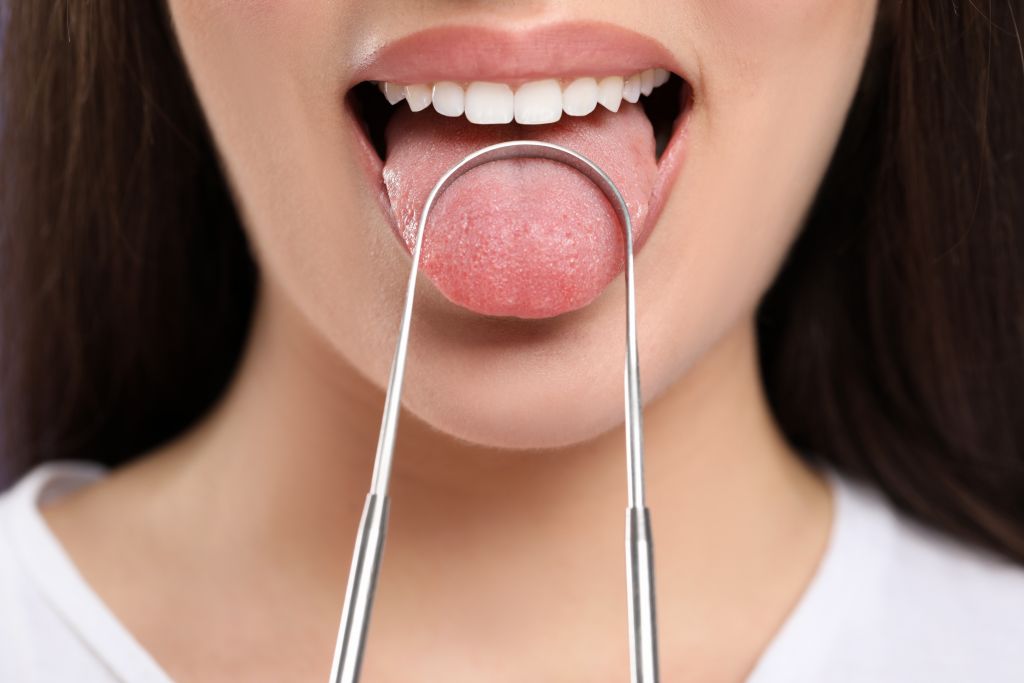
However, hydrogen peroxide may lead to a black hairy tongue, a harmless condition caused by bacteria building up and oxidizing, making the tongue appear fuzzy and black.
Research published in the Journal of General Internal Medicine found that mouthwash containing hydrogen peroxide releases oxygen into the oral cavity, which can trigger a black tongue. The study also suggests that symptoms typically resolve two weeks after discontinuing use.2
The authors conclude, “Black hairy tongue is benign, asymptomatic, and temporary. It presents with black, green, or yellow pigmentation and elongated filiform papillae in a typical carpet-like appearance of the dorsum of the tongue.”
Additionally, hydrogen peroxide can irritate the gut and cause stomach upset if accidentally swallowed.

Hydrogen peroxide mouthwash recipe
Hydrogen peroxide can help whiten teeth, support fresh breath, and improve oral health naturally.
To make mouthwash with hydrogen peroxide at home, you’ll need the following:
- 1 tablespoon 3 percent hydrogen peroxide
- 4 tablespoons water
Mix hydrogen peroxide and water and swish the solution for 30 seconds, ensuring that it reaches the gums and front of the teeth.
Gargling hydrogen peroxide solutions of three percent or less is generally considered safe if you take care not to swallow, as it can induce vomiting if ingested.
Those who are looking to reduce tartar buildup can use a modified version of this recipe:
- ¼ teaspoon 3 percent hydrogen peroxide
- ½ cup water
- ¼ teaspoon baking soda
Brush your teeth as usual. Then, combine the ingredients and brush your teeth thoroughly with the solution. Finish by rinsing your mouth well with water.
Key takeaways
- Hydrogen peroxide is a compound made of hydrogen and oxygen, known for its powerful cleaning and antibacterial properties that can support oral health.
- When diluted, it may help whiten teeth, minimize surface buildup, and promote a clean, balanced oral environment.
- A simple hydrogen peroxide mouthwash can be made by mixing one tablespoon of hydrogen peroxide with four tablespoons of water and swishing for 30 seconds before rinsing.
FAQ
- 1. Is it okay to wash your mouth with hydrogen peroxide?
- 2. Is 3% hydrogen peroxide safe for your teeth?
- 3. How much should I dilute hydrogen peroxide for mouthwash?
- 4. Do dentists recommend hydrogen peroxide?
- 5. How do you rinse your teeth with hydrogen peroxide?
Sources
Related Articles
-
6 Benefits of Vitamin E
 Nutrition
6 Benefits of Vitamin E
At a glance Vitamin E is a fat-soluble vitamin and a powerful antioxidant that protects cells against oxidative stress, free radical damage, and inflammation, all of which contribute to poor…07/03/2026 -
Nitric Oxide and Viagra: What’s the Connection?
 Health concerns
Nitric Oxide and Viagra: What’s the Connection?
At a glance Nitric oxide is a key signaling molecule that relaxes blood vessels, improves circulation, and supports sexual functions. Viagra works by prolonging the effects of nitric oxide, which…03/19/2026 5.9k views -
How to Get Rid of Toenail Fungus – 3 Natural Solutions
 Health concerns
How to Get Rid of Toenail Fungus – 3 Natural Solutions
At a glance Toenail fungus is a common nail infection often linked to environmental exposure to infectious microbes, nail injury, and poor metabolic or immune health. Natural topical solutions and…03/13/2026 33.6k views -
How to Kill Parasites: 7 Natural Tips
 Health concerns
How to Kill Parasites: 7 Natural Tips
At a glance Parasitic infections occur when worms or protozoa colonize the body, often through exposure to contaminated pets, food, or water. These organisms can interfere with digestion and other…03/13/2026 15.1k views -
HPV Skin Tags: Causes and What to Do
 Health concerns
HPV Skin Tags: Causes and What to Do
At a glance While both skin tags and warts can be linked to human papillomavirus (HPV), they differ in appearance and how they affect the body. Targeted dietary and lifestyle…03/13/2026 16.6k views -
4 Asthma Remedies to Try at Home
 Health concerns
4 Asthma Remedies to Try at Home
At a glance Asthma is a chronic inflammatory condition that narrows the airways and makes breathing difficult, especially during asthma attacks. While conventional care is often necessary, natural asthma remedies…03/06/2026 17.6k views -
Too Much Keto Weight Loss? What to Do If You’re Too Skinny
 Diet
DietToo Much Keto Weight Loss? What to Do If You’re Too Skinny
At a glance Keto weight loss often occurs rapidly during the early adaptation phase, primarily due to fluid loss rather than immediate fat reduction. While fat loss is expected, ongoing…03/06/2026 10.2k views -
How to Ease a Sore Throat Quickly Using Acupressure
 Health concerns
How to Ease a Sore Throat Quickly Using Acupressure
At a glance Acupressure offers a simple, hands-on approach to promoting physical comfort, which may help soothe sore throat pain. While it’s not a substitute for a medical evaluation, acupressure…02/27/2026 25.2k views -
What Causes Pale Colored Stool?
 Health concerns
What Causes Pale Colored Stool?
At a glance Pale-colored stool can be linked to low bile flow, low-fat diets, alcohol use, infections, or underlying liver, gallbladder, or pancreatic issues. Supporting gallbladder function through a nutritious…02/26/2026 14.9k views -
Can Low Vitamin D Cause Depression in Teenagers?
 Vitamins
Can Low Vitamin D Cause Depression in Teenagers?
At a glance Vitamin D is essential for brain health, and low levels in teenagers may increase the risk of depression. Insufficient sunlight exposure and poor dietary habits can contribute…02/26/2026 10.8k views