

At a glance
Can you reverse atherosclerosis? While plaque may not fully disappear, the progression of atherosclerosis can be slowed and plaque stability may improve over time. Atherosclerosis develops gradually as plaque builds within artery walls, narrowing blood vessels and affecting circulation. Nutrients such as omega-3 fatty acids, vitamin K2, and magnesium help support vascular health by promoting balanced inflammation, healthy calcium regulation, and flexible arteries.
Atherosclerotic plaque buildup is a primary driver of heart attack and stroke, two leading causes of death in the United States. But can you reverse atherosclerosis?
Because atherosclerosis is closely tied to diet and lifestyle, it’s considered largely preventable and, in some cases, even reversible.
Discover the common causes of atherosclerosis and learn about the beneficial steps you can take to support better circulation and vascular health.
What is atherosclerosis?
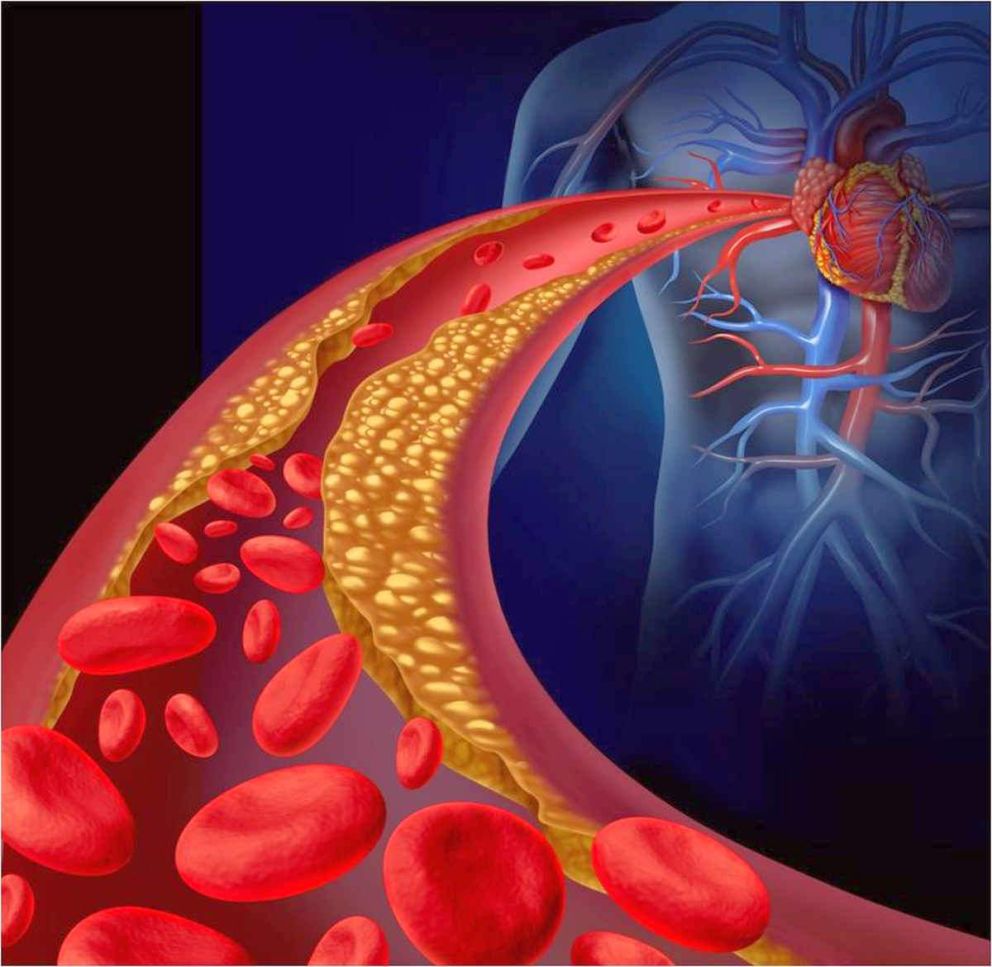
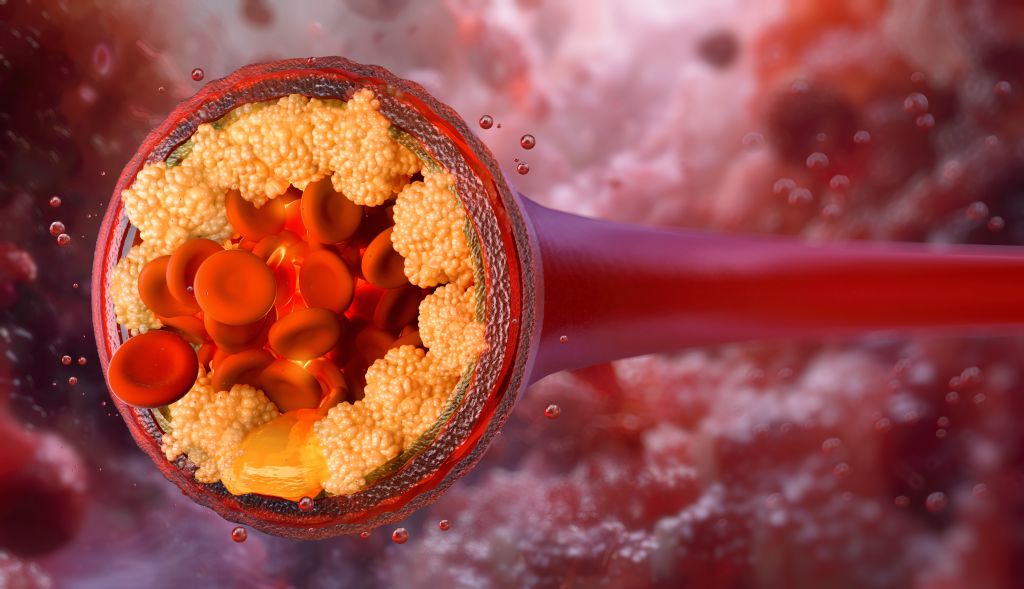
Atherosclerosis is a narrowing of the arteries caused by the gradual buildup of plaque and is the underlying cause of serious health conditions, including coronary artery disease and stroke.
Plaque formation is triggered when the delicate inner lining of artery walls, known as endothelium, becomes damaged. This is often linked to elevated blood pressure regulation.
The body responds by sending cholesterol, calcium, clotting proteins, and red and white blood cells to the damaged site in order to form a protective layer.
These deposits can accumulate, oxidize, and harden into plaque, making arteries stiffer, narrower, and less efficient at carrying blood. Plaque can also rupture, contributing to the formation of blood clots.
Because atherosclerosis develops slowly and often without symptoms, many people affected don’t realize they’re at risk until circulation is severely reduced and major complications occur.
Atherosclerosis is one of the primary drivers of stroke and heart disease—the number one cause of death in the United States, according to data released by the Centers for Disease Control and Prevention (CDC), which reports nearly 681,000 deaths annually.
Fortunately, atherosclerosis is considered a preventable and potentially reversible disease with targeted lifestyle changes and strategies that support long-term atherosclerosis treatment.
Watch the video below to learn about how to reverse hardening of the arteries.
What causes atherosclerosis?
For decades, dietary fat intake and high blood cholesterol were blamed as the primary cause of atherosclerosis. This led to widespread fear of saturated fats and a push toward low-fat, high-carb diets as the standard approach to preventing atherosclerosis and cardiovascular diseases.
However, while unhealthy cholesterol levels, particularly elevated low-density lipoprotein (LDL) cholesterol levels, can contribute to plaque formation, it isn’t the primary root cause.
Inflammation causes cholesterol to adhere to the endothelium and damages the arterial wall, thereby setting the stage for plaque formation and reduced blood flow.
“Cholesterol isn’t the villain—it’s meant to act as a healing mechanism to patch the damage,” explains Dr. Berg. “The real problem lies in the chronic inflammatory triggers that signal plaque formation.”
Common factors linked to atherosclerosis development include:
- Insulin resistance
- Poor blood sugar regulation
- Chronic inflammation
- High blood pressure
- Smoking
- Environmental toxin exposure
- Sedentary lifestyle
- Emotional stress
- Hormonal shifts
- Obesity
- Genetics predisposition
Left unaddressed, these factors raise the risk of complications such as carotid artery disease, which can block blood flow to the brain, and coronary artery disease, which limits flow to the heart.
Cholesterol medication and statin therapy are common interventions. However, effective atherosclerosis treatment depends on addressing the root causes, often through managing inflammation, diet quality, and metabolic health.

Can you reverse atherosclerosis?
While removing plaque entirely may be difficult, slowing its progression and maintaining plaque stability is vital.
Stable plaques are less likely to rupture and block blood flow, while an unstable plaque is more likely to cause cardiovascular events such as a heart attack or stroke.
According to research published in the European Journal of Preventive Cardiology, adopting a nutrient-dense ketogenic diet, regular exercise, stress relief, and quality sleep may support plaque stability and potentially help reverse coronary artery disease over time.
In addition, avoiding toxin exposures from tobacco and limiting how much alcohol you consume further lowers the risk of developing atherosclerosis and supports long-term vascular health.
Lifestyle factors that support healthy arteries
One of the most effective ways to support long-term arterial health is by adopting a lifestyle that promotes inflammatory balance, enhances metabolic functions, and supports vascular integrity.
Here are five dietary and lifestyle factors that support healthy arteries.
1. Nutritional ketosis
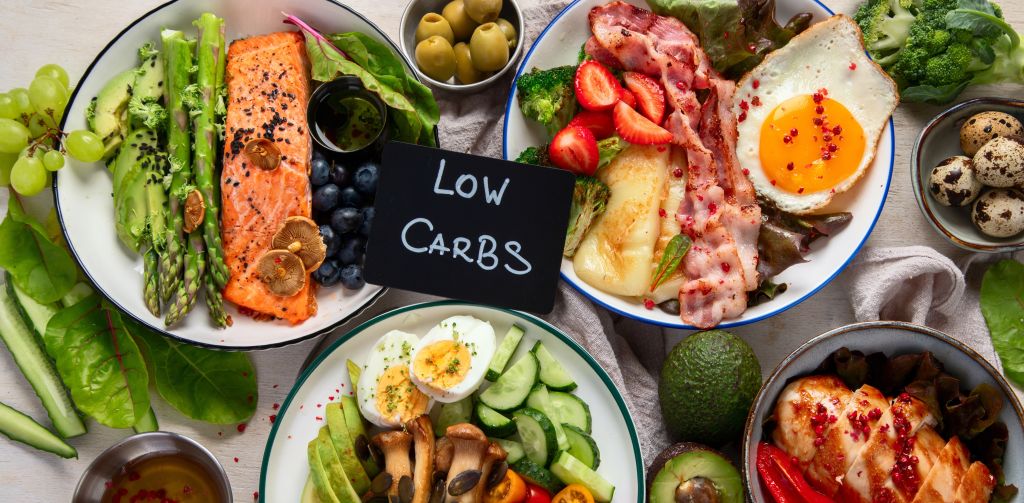
Healthy Keto® limits carbohydrate intake to 20 to 50 grams per day and emphasizes nutrient-dense whole foods. This initiates a metabolic shift called ketosis, where the body switches from burning glucose for energy to relying primarily on fat for fuel.
During ketosis, the liver produces ketones such as beta-hydroxybutyrate (BHB) from fatty acids, which serve as an efficient energy source that doesn’t spike blood glucose levels. BHB levels in the body have also been linked to improved blood flow.
A study published in Frontiers in Endocrinology reported that sustained nutritional ketosis supported insulin sensitivity, weight management, and balanced inflammatory markers in individuals with type 2 diabetes, a population at increased risk for atherosclerosis.
By supporting metabolic flexibility and inflammatory balance, nutritional ketosis may contribute to long-term cardiovascular resiliency and healthy vascular function.
2. Food quality
Poor nutrition is one of the most common drivers of chronic inflammation and vascular stress.
Diets high in processed foods, refined grains, and sugar overwhelm the body with repeated blood glucose and insulin surges. Over time, this pattern contributes to insulin resistance, which promotes oxidative stress, lipid imbalance, hormonal disruption, and arterial inflammation.
A review published in Biomedicines states, “Insulin resistance independently predicts the progression of atherosclerotic plaques, even in individuals without diabetes, and acts through both traditional cardiovascular risk factors and direct vascular effects.”
In addition, the widespread use of refined seed oils in cooking has greatly contributed to declines in cardiovascular health. These refined industrial fats contain excessive omega-6 fatty acids, which can worsen inflammation, oxidative stress, and arterial stiffness.
In contrast, nourishing fats from whole foods, such as butter, tallow, wild-caught oily fish, and extra-virgin olive oil, supply omega-3 fatty acids, butyrate, and vitamin E. These nutrients support healthy cell membranes, balanced lipid metabolism, and help maintain arterial integrity.
This explains why nutrient-focused and low-carb diet plans such as Healthy Keto can be a powerful choice.
Healthy Keto naturally avoids harmful processed ingredients while prioritizing nutrient-dense low-carb foods that help promote insulin sensitivity and nourish the body to support metabolic and cardiovascular health.
3. Intermittent fasting
Research published in Biochemical Pharmacology highlights intermittent fasting (IF) as a promising dietary approach for addressing obesity and cardiometabolic disorders such as atherosclerosis.
The study emphasizes that intermittent fasting positively influences adipokines, a group of signalling molecules released by fat cells that play a crucial role in regulating inflammation, insulin sensitivity, and endothelial function.
By supporting these essential functions, IF helps create a healthier vascular environment that promotes heart function and artery health.
4. Physical activity
Physical exercise in combination with a healthy diet supports vascular health by promoting circulation, encouraging balanced inflammatory responses, and helping lower cholesterol.
Movement also places beneficial stress on the vascular system, prompting the endothelium to release nitric oxide. This natural signaling compound helps blood vessels relax and widen, supporting flexible arteries, steady blood flow, and balanced blood pressure.
5. Stress management
Chronic stress is often overlooked, yet it can significantly alter the body’s physiology and increase strain on the cardiovascular system.
Evidence published in Circulation Research highlights that lifestyle pressures and social stressors can influence DNA methylation and alter chemical markers that regulate gene expression, including those involved in cardiovascular and metabolic regulation.
These epigenetic changes may affect how the body responds to diet, movement, and other lifestyle factors, ultimately shaping long-term cardiometabolic health. This makes stress management an essential part of vascular care.
Practices such as deep breathing, gentle stretching, spending time in nature, and prioritizing quality sleep can help counteract day-to-day stress and promote cardiovascular resilience.
Nutrients that may support vascular health
Certain nutrients play a fundamental role in maintaining vascular health by influencing inflammation, supporting flexible arterial structure, and helping balance calcium within the body.
Here are three of the best nutrients to support vascular health.
1. Omega-3 fatty acids
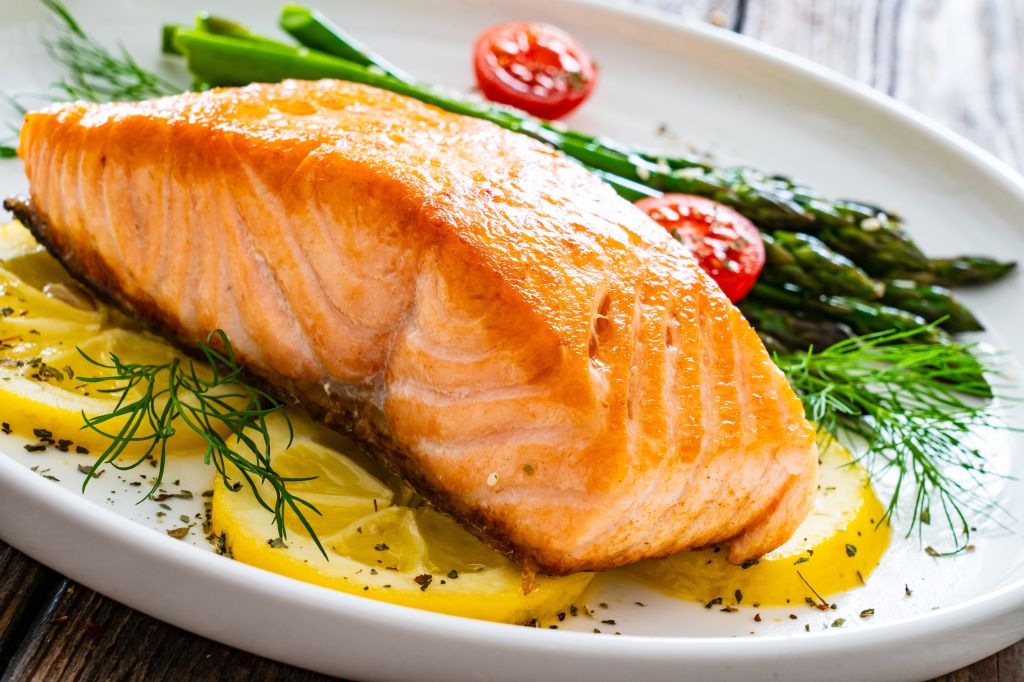
Omega-3 fatty acids, particularly eicosapentaenoic acid (EPA) and docosahexaenoic acid (DHA), are found abundantly in oily fish such as sardines, mackerel, anchovies, wild salmon, and cod liver, and play a key role in supporting vascular integrity.
EPA helps maintain normal cholesterol and triglyceride levels, while DHA supports membrane fluidity and efficient cellular communication.
Together, these anti-inflammatory fatty acids encourage smoother blood flow, help keep arteries flexible, and reduce inflammation that can contribute to plaque buildup and arterial stiffness.
2. Vitamin K2
Vitamin K2, found in fermented foods such as natto and raw sauerkraut as well as egg yolks, grass-fed butter, Munster cheese, and organ meats, supports calcium regulation within the body.
Vitamin K2 activates proteins that help direct calcium to bones and teeth, thereby limiting its accumulation in soft tissues such as the arteries.
By supporting the body’s calcium balance, vitamin K2 helps maintain arterial flexibility and may reduce vascular stiffening over time.
3. Magnesium
Magnesium is an essential mineral involved in over 300 biochemical reactions, and it’s especially important for heart and blood vessel health.
Adequate magnesium consumption helps regulate calcium movement into cells, promoting balance between the two minerals and supporting healthy arterial structure.
Magnesium also supports muscle relaxation within blood vessels, which may help maintain healthy blood pressure and circulation.
Some of the best dietary sources of magnesium include leafy greens, nuts, seeds, avocado, and dark chocolate.

When to seek medical guidance
While nutrition and lifestyle strategies can play a powerful role in supporting vascular health, it’s important that individuals with cardiovascular disease risk factors or diagnosed heart conditions regularly consult a healthcare provider.
If you experience chest pain, leg pain, or other signs of blocked arteries or reduced blood flow, seek immediate medical attention.
Healthcare providers assess atherosclerosis risk using blood pressure tests, stress tests, and bloodwork to evaluate cholesterol levels, triglycerides, and inflammatory markers.
They may also use an electrocardiogram, echocardiogram, carotid ultrasounds, X-rays, computed tomography scans, or other imaging tests to evaluate plaque buildup or vascular calcium deposition.
Key takeaways
- While atherosclerotic plaque may not completely disappear, supportive diet and lifestyle habits can improve artery function and may help reduce plaque buildup over time.
- Following a Healthy Keto approach, practicing intermittent fasting, and prioritizing nutritious foods while avoiding refined carbohydrates and seed oils help promote circulatory health.
- Regular movement, quality sleep, and stress management practices further support blood vessel integrity and long-term cardiovascular wellness.
FAQ
- 1. Can you remove plaque buildup in your arteries?
- 2. Can atherosclerosis be reversed?
- 3. What dissolves artery plaque?
- 4. What foods help keep arteries clear?
- 5. Can exercise improve arterial health?
- 6. What are the early signs of atherosclerosis?
- 7. How is atherosclerosis diagnosed?
Sources
- “FastStats.” Centers for Disease Control and Prevention. FastStats – Leading Causes of Death. cdc.gov.
- Lechner K, von Schacky C, McKenzie AL, et al. Lifestyle factors and high-risk atherosclerosis: Pathways and mechanisms beyond traditional risk factors. European journal of preventive cardiology. 2020;27(4):394-406. doi:10.1177/2047487319869400 https://pmc.ncbi.nlm.nih.gov/articles/PMC7065445/
- Athinarayanan SJ, Adams RN, Hallberg SJ, et al. Long-Term Effects of a Novel Continuous Remote Care Intervention Including Nutritional Ketosis for the Management of Type 2 Diabetes: A 2-Year Non-randomized Clinical Trial. – Front Endocrinol (Lausanne). 2019;10:348. doi:10.3389/fendo.2019.00348
- Brie AD, Christodorescu RM, Popescu R, Adam O, Tîrziu A, Brie DM. Atherosclerosis and Insulin Resistance: Is There a Link Between Them?. Biomedicines. 2025;13(6). doi:10.3390/biomedicines13061291 https://pmc.ncbi.nlm.nih.gov/articles/PMC12189823/
- “Intermittent fasting favorably modulates adipokines and potentially attenuates atherosclerosis.” ScienceDirect. Intermittent fasting favorably modulates adipokines and potentially attenuates atherosclerosis. – sciencedirect.com.
- https://www.ahajournals.org/doi/10.1161/CIRCRESAHA.123.322135
Related Articles
-
Can Fasting Lower Cholesterol?
 Fasting
Can Fasting Lower Cholesterol?
At a glance Fasting can help lower cholesterol levels by promoting the use of body fat for energy, supporting a healthy weight, reducing inflammation, and maintaining balanced insulin levels. Incorporating…05/01/2026 -
Does Fish Oil Benefit Cholesterol?
 Nutrition
Does Fish Oil Benefit Cholesterol?
At a glance Fish oil is a rich source of the omega-3 fatty acids EPA and DHA, which support heart health and metabolic wellness. While fish oil may help promote…02/12/2026 27.4k views -
Osteoporosis and Osteopenia: How to Support Strong Bones
 Health concerns
Osteoporosis and Osteopenia: How to Support Strong Bones
At a glance Osteopenia and osteoporosis are age-related conditions marked by gradual bone density loss that often develops without clear symptoms. Changes in bone strength can increase fracture risk and…01/08/2026 5.9k views -
Can High Cholesterol Cause Headaches?
 Health concerns
Can High Cholesterol Cause Headaches?
At a glance High cholesterol doesn’t directly cause headaches, but cholesterol plaques in arteries can reduce blood flow to the brain, potentially triggering migraines or headache symptoms. Supporting healthy cholesterol…12/30/2025 -
How to Lower Cholesterol on Keto
 Diet
DietHow to Lower Cholesterol on Keto
At a glance While a nutrient-focused ketogenic diet is often associated with improved cholesterol balance, it’s not uncommon to see elevated cholesterol levels during the early stages of keto adaptation.…12/05/2025 13.1k views -
What Are the Best Sources of Omega-3 Fatty Acids?
 Nutrition
What Are the Best Sources of Omega-3 Fatty Acids?
At a glance There are several essential omega-3 fatty acids, but not all food sources provide them in the same balance or bioactive form. The best sources of omega-3 fatty…11/06/2025 25k views -
Understanding Cholesterol Levels and Numbers
 Health concerns
Understanding Cholesterol Levels and Numbers
At a glance While cholesterol is vital for hormone production and brain function, imbalanced levels can cause atherosclerosis and increase cardiovascular risk. Understanding your cholesterol numbers and how diet, exercise,…04/09/2025 118k views -
What Is LDL Cholesterol? Why It’s Not Always Bad
 Health concerns
What Is LDL Cholesterol? Why It’s Not Always Bad
At a glance LDL cholesterol is often linked to poor cardiovascular health, yet it also plays an important role in supporting cell structure, hormone production, and nerve function. Its impact…04/09/2025 33.4k views -
Is Saturated Fat Bad? Benefits and Risks of Saturated Fat
 Nutrition
Is Saturated Fat Bad? Benefits and Risks of Saturated Fat
At a glance The role of saturated fat has long been misunderstood due to outdated dietary theories, but whether saturated fat is bad depends largely on its source. Healthy, whole-food…04/09/2025 14k views -
Health Benefits of Nattokinase
 Nutrition
Health Benefits of Nattokinase
At a glance Nattokinase is a natural enzyme found in natto, a traditional Japanese food made from fermented soybeans. It helps maintain healthy blood flow, supports normal cholesterol and blood…04/09/2025 16.5k views


