


At a glance
Sinusitis causes nasal congestion and other uncomfortable symptoms, most often triggered by viral infections. Over-the-counter remedies only relieve symptoms and don’t address the underlying cause, which leads to recurring issues.
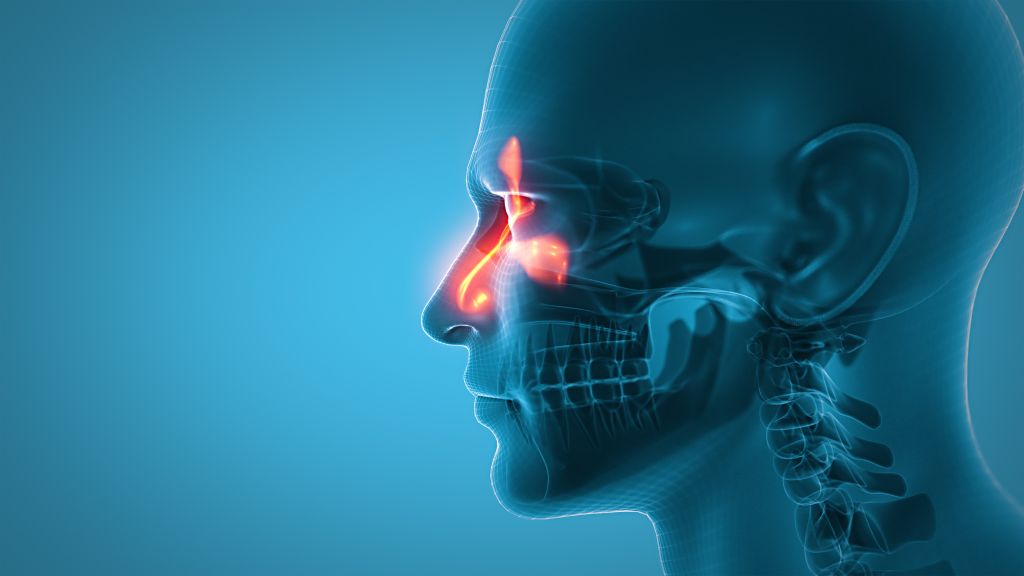
Sinus infections, also known as sinusitis, occur when the lining of the nasal cavity becomes inflamed, often causing congestion, sinus pressure, and facial pain.
Although their effectiveness in treating infections remains unproven, there are several natural approaches that may help relieve sinus symptoms.
What is a sinus infection (sinusitis)?
Sinusitis is a common condition affecting the sinus cavities that develops when tissues lining the sinuses become inflamed and swollen.
Most cases of acute sinusitis occur when infections or allergies trigger sinus inflammation. This typically leads to nasal congestion, which can block the normal flow of air and the movement of mucus within the sinuses.
When the nasal passages are restricted or blocked, it creates an ideal environment for bacteria, viruses, or fungi to thrive, which can prolong the infection and exacerbate sinusitis symptoms.
Chronic sinus issues may also be linked to food sensitivities, allergy symptoms, or fungal overgrowth in the upper respiratory tract, all of which can keep the sinus cavities inflamed and congested.
According to data published in 2018 by the Centers for Disease Control and Prevention (CDC), 11.6 percent of U.S. adults had diagnosed sinusitis.
Watch the video below to learn how to quickly alleviate sinus congestion symptoms.
Sinus infection symptoms
The severity of sinus infections can vary, as some individuals experience only mild cases, while others face more significant and prolonged issues.
Some of the most common sinusitis symptoms include:
- Nasal and sinus congestion
- Sinus pressure
- Facial pain
- Runny nose
- Post-nasal drip
- Headaches
- Reduces sense of taste or smell
- Puffy eyes
- Bad breath
In some cases, sinusitis can also lead to dental pain or ear discomfort, and chronic sinus infections may be accompanied by fatigue, fever, or body aches, particularly when associated with a viral or bacterial infection.
Sinus infection causes
According to a review published in StatPearls, chronic sinusitis is a predominantly inflammatory condition that can develop after an acute sinus infection or a viral upper respiratory tract infection, such as the common cold.
Fungal infections of the sinus cavities are a less common cause of sinusitis. Aspergillus is a type of mold that can cause fungal sinusitis when its spores are inhaled and become trapped in the sinus cavities, triggering an immune response and inflammation.
Antibiotics don’t always resolve sinusitis because most acute cases are viral, and antibiotics are ineffective against viruses.
“Poor dietary habits, including frequent consumption of salty snacks and sugary drinks, may be associated with rhinosinusitis. However, more research is needed to determine whether these dietary habits directly contribute to sinus inflammation,” explains Dr. Berg.
Research published in Frontiers in Public Health found associations between the consumption of salty snacks and sugar-sweetened beverages and rhinosinusitis in children and adolescents.
Although sinusitis can affect anyone, those with a weakened immune system, seasonal allergies, nasal polyps, or structural issues are also more likely to develop recurrent or chronic sinus infections.
6 sinus infection remedies
Common over-the-counter treatments for sinusitis, such as pain relievers, nasal sprays, and saline solutions, can help relieve symptoms, but appropriate treatment depends on the underlying cause.
As a result, many sinus sufferers continue to experience congestion, pressure, and facial pain.
Here are six remedies that can help clear a stuffy nose and support overall sinus health.
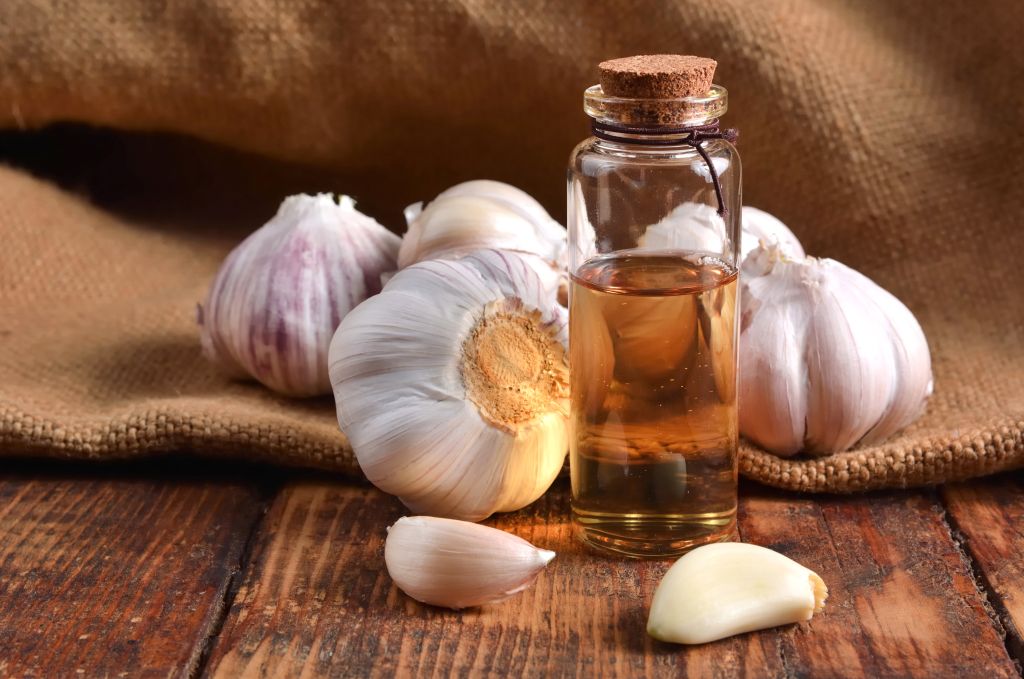
1. Garlic and oregano-infused oil
Garlic and oregano-infused oil contain antimicrobial compounds, but their effectiveness in managing sinus infections remains unproven.
Both garlic and oregano contain potent bioactive compounds, including allicin, carvacrol, and thymol.
While their effectiveness in reducing sinus inflammation, managing infections, or supporting sinus drainage remains unproven, these compounds have shown antimicrobial activity in laboratory studies.
To prepare garlic and oregano-infused oil, gently heat peeled garlic cloves and fresh oregano in olive or coconut oil over low heat for 15 minutes, then let it cool and strain into a clean jar. Refrigerate immediately and discard any unused oil after four days.
A review published in The Scientific World Journal highlights the potential antimicrobial properties of garlic, although its effectiveness in treating sinusitis remains unproven.
2. Turmeric
Turmeric, a popular aromatic spice widely used in Indian cuisine, has long been used as a home remedy for reducing symptoms of sinus infections.
Curcumin, a bioactive compound in turmeric, has demonstrated anti-inflammatory, antioxidant, and antimicrobial properties in experimental studies. However, its effectiveness in reducing sinus inflammation and relieving congestion and pressure in humans remains uncertain.
Turmeric can be enjoyed as a tea, added to smoothies and shakes, or used to flavor dishes such as curries, stews, soups, and dips.

3. Spanish black radish
Spanish black radish, often consumed raw, fermented, or as juice, has a longstanding use to help relieve nasal congestion and sinus symptoms.
Its sulfur-containing compounds may have biological effects, although evidence that black radish helps thin sinus mucus remains limited.
A study published in Pharmaceuticals notes that black radish leaves and roots have traditionally been used to treat respiratory infections, fever, and inflammatory diseases, although their clinical effectiveness remains unproven.
4. Avoid trigger foods
While sinusitis is associated with infections or inflammation, chronic cases may be influenced by allergies, although the role of food sensitivities remains uncertain.
Keeping a food journal, carefully noting what you eat and any sinus-related symptoms that follow, can help identify potential triggers.
Certain foods may trigger nasal symptoms in people with specific food allergies.
Diets high in processed foods, refined carbohydrates, and added sugars may be associated with inflammation, although their direct effects on sinus health remain uncertain.
Avoiding these foods and instead focusing on a diet rich in nutrient-dense whole-food options, such as Healthy Keto®, can help support balanced immune functions and promote clearer sinuses.

5. Blue light therapy
Blue light therapy has been investigated for managing sinus congestion, but clinical evidence supporting its effectiveness remains limited.
Certain wavelengths of light have shown antimicrobial effects in experimental studies, but their effectiveness in reducing sinus inflammation and improving airflow remains uncertain.
Although generally considered safe, it’s recommended to consult a healthcare provider before incorporating alternative therapies, such as blue light exposure, to ensure they don’t interfere with other treatments.
6. Keep airways moist
Maintaining moist nasal passages is essential for managing symptoms related to sinusitis.
If the mucosal lining of the sinus cavities becomes too dry, it can trap pathogens and irritants and impair the body’s natural defense mechanisms, making it easier for infections to develop or worsen.
Using a steam machine or cool mist humidifier can help maintain humidity in the air and prevent nasal dryness, especially in dry environments.
Spending a few extra minutes in a warm shower may help soothe irritated sinus tissues. Direct steam inhalation over hot water should be avoided due to burn risks.
Additionally, applying a warm compress over the sinuses can help open the nasal passages, relieve pressure, and support sinus drainage.

When to talk to your doctor
Mild cases of sinusitis can often be managed at home and may resolve within a couple of weeks. However, it’s crucial to contact a healthcare provider if you experience severe symptoms or signs of a serious infection.
Persistent congestion, severe headaches, changes in vision, difficulty breathing, a high fever, or facial swelling require immediate medical attention.
Your healthcare provider might refer you to an ear, nose, and throat specialist who will review your individual medical history, perform a physical examination, and recommend appropriate treatment options.
Conventional approaches to treat chronic sinusitis may include nasal corticosteroids, saline irrigation, and, in selected cases, other medications or procedures such as balloon sinuplasty to improve sinus drainage.
Key takeaways
- Sinusitis is a common condition that can lead to uncomfortable symptoms, including facial pain, congestion, sinus pressure, headaches, and a runny nose.
- Natural approaches such as garlic and oregano-infused oil, turmeric, Spanish black radish, and steam inhalation have been explored for sinus care, but their effectiveness in treating sinus infections remains unproven.
- Contact your healthcare provider if you experience severe or recurrent infections, which may require treatment from an ear, nose, and throat specialist.
FAQ
- 1. What are the top sinus symptom relief remedies?
- 2. How can I tell if a sinus infection is bacterial or viral?
- 3. How long does it take for a sinus infection to go away?
- 4. What can I drink for a sinus infection?
- 5. Are there any foods that make sinus infections worse?
Sources
- “FastStats – Sinus Conditions.” cdc.gov. https://www.cdc.gov/nchs/fastats/sinuses.htm
- “Chronic Sinusitis – StatPearls – NCBI Bookshelf.” ncbi.nlm.nih.gov. https://www.ncbi.nlm.nih.gov/books/NBK441934/
- Pazdro-Zastawny K, Krajewska J, Kolator M, et al. Dietary habits, physical activity, and self-reported rhinosinusitis in children and adolescents. Frontiers in public health. 2023;11:1290307. doi:10.3389/fpubh.2023.1290307 https://pmc.ncbi.nlm.nih.gov/articles/PMC10800831/
- Tesfaye A. Revealing the Therapeutic Uses of Garlic (Allium sativum) and Its Potential for Drug Discovery. TheScientificWorldJournal. 2021;2021:8817288. doi:10.1155/2021/8817288 https://pmc.ncbi.nlm.nih.gov/articles/PMC8739926/
- Jeon H, Oh S, Kum E, Seo S, Park Y, Kim G. Immunomodulatory Effects of an Aqueous Extract of Black Radish on Mouse Macrophages via the TLR2/4-Mediated Signaling Pathway. Pharmaceuticals. 2022;15(11):1376. doi:10.3390/ph15111376 https://www.mdpi.com/1424-8247/15/11/1376
Related Articles
-
Does Fasting Help with Inflammation?
 Diet
Does Fasting Help with Inflammation?
At a glance Fasting is a powerful tool for reducing inflammation and supporting overall health. By promoting fat burning and activating cellular repair processes, fasting can help lower pro-inflammatory markers.…06/05/2026 -
What Is Modified Food Starch?
 Foods to avoid
What Is Modified Food Starch?
At a glance Modified food starch is a widely used food additive and thickening agent. However, it may affect metabolic balance and gut health, particularly when consumed as part of…05/14/2026 -
Food Preservatives: Types, Safety, and Health Effects
 Nutrition
Food Preservatives: Types, Safety, and Health Effects
At a glance Food preservatives are common additives in packaged and processed food products that help extend shelf life and prevent spoilage. While some preservatives are derived from natural sources…04/03/2026 -
Nitric Oxide and Viagra: What’s the Connection?
 Health concerns
Nitric Oxide and Viagra: What’s the Connection?
At a glance Nitric oxide is a key signaling molecule that relaxes blood vessels, improves circulation, and supports sexual functions. Viagra works by prolonging the effects of nitric oxide, which…03/19/2026 5.9k views -
Natural Flavors vs. Artificial Flavors
 Nutrition
Natural Flavors vs. Artificial Flavors
At a glance Both natural and artificial flavors are widely used in everyday food products to enhance their taste and aroma. It’s generally known that artificial flavoring substances are linked…03/12/2026 -
4 Asthma Remedies to Try at Home
 Health concerns
4 Asthma Remedies to Try at Home
At a glance Asthma is a chronic inflammatory condition that narrows the airways and makes breathing difficult, especially during asthma attacks. While conventional care is often necessary, natural asthma remedies…03/06/2026 17.6k views -
What Is the Top Cause of Rosacea?
 Health concerns
What Is the Top Cause of Rosacea?
At a glance Rosacea is a chronic skin condition marked by facial redness and discomfort. The cause of rosacea extends beyond the skin, with growing research highlighting the connection between…02/20/2026 8.1k views -
Why You’re Not Losing Belly Fat on Keto
 Diet
Why You’re Not Losing Belly Fat on Keto
At a glance Shedding stubborn belly fat may require more than cutting carbs. Insulin levels, stress hormones, liver function, and muscle mass all influence how efficiently your body can access…02/20/2026 13k views -
Can Iron Tablets Make You Feel Sick?
 Nutrition
Can Iron Tablets Make You Feel Sick?
At a glance Iron tablets can make you feel sick by irritating the intestines, altering the gut microbiome, and potentially damaging intestinal cells. While iron is essential in trace amounts,…02/13/2026 6.5k views -
What Causes Inflamed Eyelids?
 Health concerns
What Causes Inflamed Eyelids?
At a glance Inflamed eyelids can develop when the structures that protect, lubricate, and support the eyes are disrupted. Common contributors include blocked oil glands, allergies, infections, or trauma to…02/13/2026 10.3k views