

At a glance
Tinnitus may be linked to poor blood sugar control and metabolic stress, which can affect nerve function in the auditory system. Benfotiamine, a fat-soluble form of vitamin B1, supports nerve health, cellular energy metabolism, and neurological signaling and may play a role in maintaining healthy hearing.
Persistent ringing in the ears can be a symptom of central nervous system imbalances and may be related to dietary factors causing poor blood sugar control and metabolic stress.
Discover the common causes of tinnitus and learn how incorporating benfotiamine can support optimal nerve function and overall auditory health.
What is tinnitus?
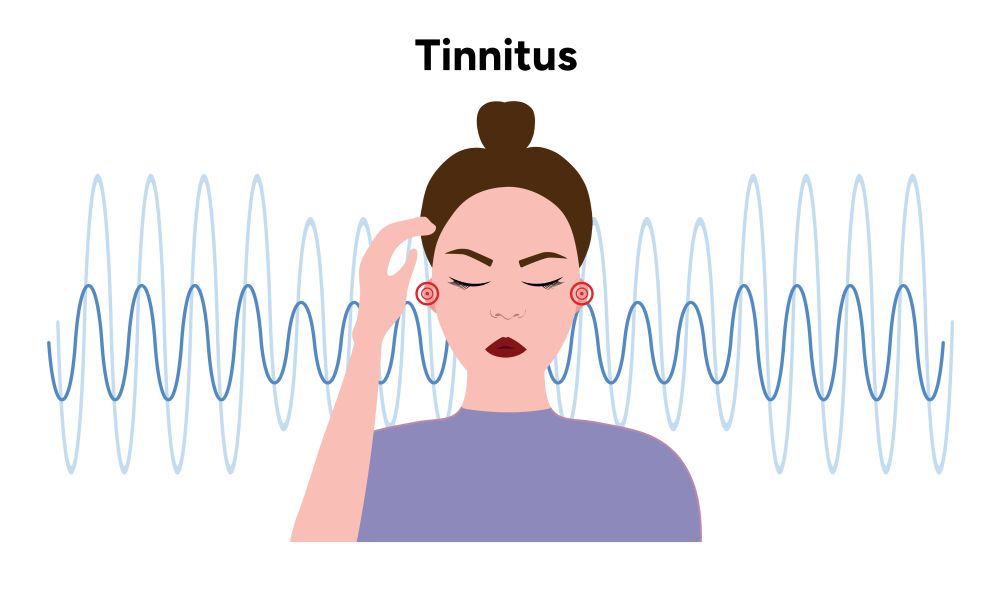
Tinnitus is characterized by intermittent or persistent ringing in the ear that develops without the presence of any external sounds that could trigger these auditory sensations.
This relatively common hearing-related issue is typically a symptom of an underlying health issue that causes hyperactivity of the auditory system or impacts the central nervous system, leading to changes in how the brain processes and interprets sounds.
Common symptoms associated with tinnitus include buzzing, hissing, ringing, roaring, or clicking sounds that may be present in one or both ears.
Tinnitus severity can differ, ranging from mild, barely noticeable ringing to a persistent, loud, or intrusive sound that can interfere with concentration and daily tasks.
Chronic tinnitus can also lead to sleep disturbances, stress, and anxiety, greatly affecting the quality of life of those affected.
Watch the video below to discover the link between insulin imbalances and tinnitus.
Causes of tinnitus
While tinnitus may be related to age-related hearing loss, a study published in Maedica reports that a significant percentage of tinnitus patients are affected by poor metabolic health and type 2 diabetes.
The authors suggest, “In patients with diabetes, tinnitus can be considered as an indicator of the development of peripheral neuropathy or a level of microangiopathy of the inner ear.”
The inner ear relies entirely on blood glucose for energy, as it has no glycogen reserves. Diabetes, characterized by chronically elevated blood sugar, can damage blood vessels and nerve fibers, impairing cochlear function and contributing to hearing issues and tinnitus.
Because blood sugar imbalances are primarily linked to the intake of sugars, refined carbohydrates, and processed foods, this indicates a possible role of dietary habits in the development of tinnitus.
In addition to poor blood sugar control, tinnitus risk has also been associated with:
- Noise-induced hearing damage
- Sleep deprivation
- Thyroid issues
- Alcohol use disorder
- Eardrum perforation
- Temporomandibular joint disorder
- Stress
- Nutrient deficiencies

What is benfotiamine?
Benfotiamine is a fat-soluble derivative of vitamin B1, also known as thiamine. While many foods provide thiamine in its natural, water-soluble form, benfotiamine isn’t found in food sources and is available primarily as a dietary supplement.
Due to its fat-soluble chemical structure, benfotiamine is absorbed more efficiently than water-soluble forms of vitamin B1 and readily penetrates cells and tissues, particularly nerve fibers, which are surrounded by lipid membranes known as myelin sheaths.
Research published in Helyion highlights the high bioavailability of benfotiamine, suggesting that this synthetic B vitamin has shown better potential to support healthy thiamine levels than conventional vitamin B1.
“Thiamine is essential for nerve health, and benfotiamine has been found to support the integrity of the myelin sheath,” explains Dr. Berg. “This promotes nerve signalling and strengthens the body’s capacity to protect nerve cells from inflammation and metabolic stress.”
In addition, thiamine supports balanced blood sugar levels, primarily due to its role in activating an enzyme that facilitates the increased cellular uptake of glucose from the bloodstream.
This may explain why many individuals seeking to support both metabolic and nervous system health incorporate a benfotiamine supplement into their health regimen.

Can benfotiamine help with tinnitus?
Because of the benefits of benfotiamine for nerve function, this B vitamin has been linked to potential advantages for maintaining hearing health.
Its role in supporting normal glucose metabolism and microvascular function may help protect the delicate tissues and nerve fibers in the inner ear that are sensitive to metabolic stress.
In addition, benfotiamine is often discussed in the context of overall neurological support and brain health, which plays a crucial role in the processing and interpretation of sounds and sensory signals.
However, it’s essential to discuss benfotiamine with a healthcare professional to ensure safe and appropriate use, especially if you have underlying medical conditions or are taking prescription medications.

More tips for managing tinnitus
Managing tinnitus symptoms often involves a multifaceted approach that combines dietary and lifestyle strategies to support nerve function, metabolic balance, and optimal nutrient levels.
Here are four tips that may help alleviate tinnitus symptoms.
1. Follow Healthy Keto®
A low-carb ketogenic diet limits carbohydrates and sugars to support steady blood sugar balance. This helps reduce the metabolic stress of high blood sugar levels on nervous system tissue, including the delicate nerve structures within the ears.
Furthermore, maintaining auditory health requires a wide range of vitamins and minerals, and prioritizing nutrient-rich whole foods is critical to support healthy hearing.
Healthy Keto® offers an ideal low-carb approach that emphasizes minimally processed whole foods rich in healthy fats, high-quality protein, and essential micronutrients.
2. Practice intermittent fasting
Intermittent fasting is a mealtime schedule that alternates between periods of fasting and time-restricted eating windows.
Practicing intermittent fasting, especially when combined with a Healthy Keto diet, supports steady blood sugar balance and helps reduce metabolic strain on the nervous system.
This approach may also support cellular repair processes and overall neurological health, which play an important role in how the brain processes sensory signals, including sound.

3. Prioritize B vitamin-rich foods
B vitamins, especially folate and vitamin B12, play a critical role in maintaining nerve health and overall central nervous system functions.
Maintaining adequate intake of these nutrients helps support normal nerve signaling and auditory pathway function, which may influence how sound signals are processed and perceived by the brain.
Folate-rich foods include leafy green vegetables, asparagus, avocado, and Brussels sprouts, while vitamin B12 is obtained primarily from animal-based foods such as meat, fish, eggs, and dairy products.
4. Incorporate stress management
Research published in the American Journal of Otolaryngology highlights a connection between stress and the development and severity of tinnitus.
Therefore, it’s critical to incorporate effective stress-reduction techniques such as deep breathing, gentle stretching routines, engaging in a hobby, or connecting with loved ones to support nervous system balance.

When to talk to your doctor about tinnitus
While occasionally experiencing tinnitus is often not a serious medical concern, persistent or worsening ringing in the ears should be evaluated by a healthcare provider.
You should also seek medical care if tinnitus is accompanied by hearing loss, nerve pain, dizziness, balance issues, or difficulty concentrating, as these symptoms may indicate an underlying condition such as nerve dysfunction or diabetes-related complications.
Key takeaways
- Tinnitus may be linked to metabolic stress, poor blood sugar control, and nerve dysfunction within the auditory system.
- Benfotiamine supports nerve health, myelin sheath integrity, and cellular energy metabolism, which are essential for normal auditory function.
- Maintaining stable blood sugar levels by following Healthy Keto in combination with intermittent fasting may further reduce metabolic strain on auditory nerves.
- Adequate intake of B vitamins, including folate and B12, supports healthy nerve signaling and central nervous system function.
FAQ
- 1. Can benfotiamine help with tinnitus?
- 2. What is benfotiamine used for?
- 3. Can vitamin B1 deficiency cause tinnitus?
- 4. Is benfotiamine the same as thiamine?
Sources
- Mousavi SHG, Sajadinejad B, Khorsandi S, Farhadi A. Diabetes Mellitus and Tinnitus: an Epidemiology Study. Maedica. 2021;16(4):580-584. https://pmc.ncbi.nlm.nih.gov/articles/PMC8897791/
- Bozic I, Lavrnja I. Thiamine and benfotiamine: Focus on their therapeutic potential. Heliyon. 2023;9(11):e21839. https://pmc.ncbi.nlm.nih.gov/articles/PMC10682628/
- Jiang Y, Liu Q, Ding Y, Sun Y. Systematic review and meta-analysis of the correlation between tinnitus and mental health. Am J Otolaryngol. 2025;46(3):104611. https://www.sciencedirect.com/science/article/pii/S0196070925000146
Related Articles
-
Magnesium Deficiency Symptoms: Signs You May Need More
 Supplements
Magnesium Deficiency Symptoms: Signs You May Need More
At a glance Magnesium deficiency symptoms may include low appetite, nausea, fatigue, weakness, difficulty sleeping, mood changes, and irregular bowel movements. Low magnesium symptoms can be difficult to identify, as…08/31/2026 -
6 Benefits of Vitamin E
 Nutrition
6 Benefits of Vitamin E
At a glance Vitamin E is a fat-soluble vitamin and a powerful antioxidant that protects cells against oxidative stress, free radical damage, and inflammation, all of which contribute to poor…07/03/2026 -
Craving Chocolate? Here’s What It Could Mean
 Deficiencies
Craving Chocolate? Here’s What It Could Mean
At a glance Regular chocolate cravings may signal estrogen imbalances, elevated cortisol levels, or depleted magnesium stores. Choosing organic dark chocolate with higher cacao content can help satisfy cravings while…04/03/2026 -
5 Iron-Rich Foods
 Nutrition
5 Iron-Rich Foods
At a glance Iron is an essential mineral that supports red blood cell production, oxygen transport, energy levels, and immune health. Both iron deficiency and iron overload can harm the…03/19/2026 -
Folic Acid vs. Folate: What’s the Difference?
 Nutrition
Folic Acid vs. Folate: What’s the Difference?
At a glance Folic acid and folate are two forms of vitamin B9 that differ in how the body absorbs and uses them. Folic acid is a synthetic form added…03/12/2026 2.3k views -
How to Beat Hypertension
 Health concerns
How to Beat Hypertension
At a glance Hypertension, or high blood pressure, occurs when the force of blood against vessel walls remains too high and strains the circulatory system. It often develops without noticeable…02/26/2026 4.1k views -
Iodine Deficiency and Ovarian Cysts: Is There a Connection?
 Health concerns
Iodine Deficiency and Ovarian Cysts: Is There a Connection?
At a glance Iodine deficiency has been linked to the development of ovarian cysts due to its effects on thyroid function, hormonal balance, and follicle development. Adequate iodine levels support…02/20/2026 52.6k views -
What Is Vitamin A and What Does It Do?
 Nutrition
What Is Vitamin A and What Does It Do?
At a glance Vitamin A is a fat-soluble nutrient that supports vision, immune balance, and overall cellular health. Found in animal foods such as eggs, dairy products, and organ meats,…02/13/2026 10.1k views -
Can Iron Tablets Make You Feel Sick?
 Nutrition
Can Iron Tablets Make You Feel Sick?
At a glance Iron tablets can make you feel sick by irritating the intestines, altering the gut microbiome, and potentially damaging intestinal cells. While iron is essential in trace amounts,…02/13/2026 6.5k views -
Why Am I Still Tired After 8 Hours of Sleep?
 Healthy lifestyle
Why Am I Still Tired After 8 Hours of Sleep?
At a glance Feeling tired after getting a full night’s sleep is more common than you may think. Several factors influence how well the body recovers and rejuvenates overnight. When…02/13/2026