

At a glance
Drinking hibiscus tea for high blood pressure may help relax blood vessels and support cardiovascular health. This aromatic infusion is rich in antioxidants and flavonoids, making it a natural remedy that may help lower both systolic and diastolic blood pressure, while also offering benefits for liver function and metabolic balance.
Hibiscus flowers are rich in antioxidants. They have been found to promote healthy blood vessels, and evidence suggests that drinking hibiscus tea may help lower blood pressure naturally.
Discover the health benefits of hibiscus and learn how to make hibiscus tea for high blood pressure.
What is hibiscus tea?
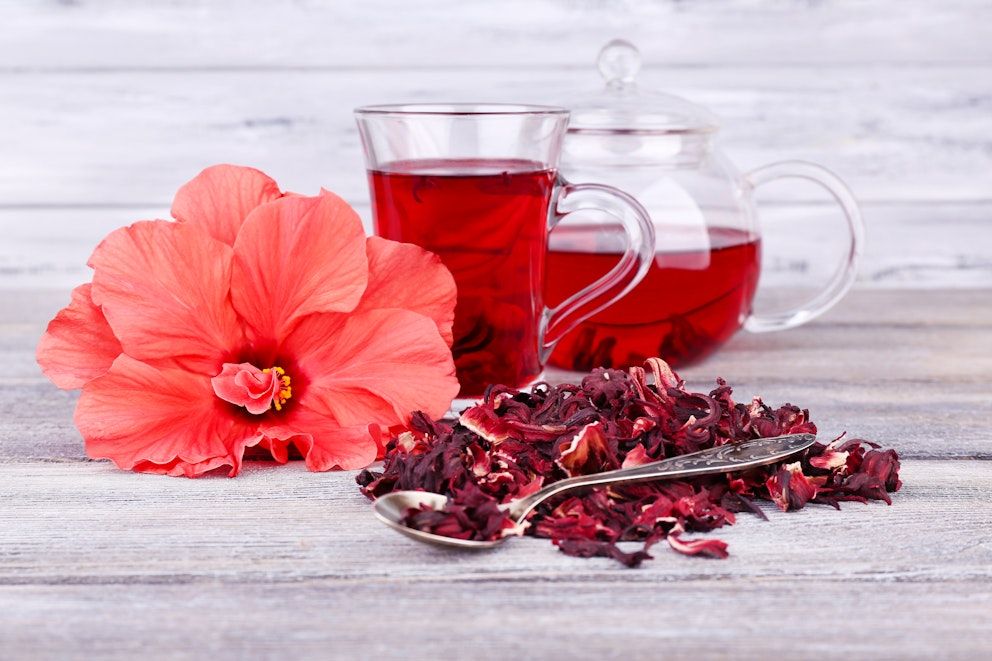
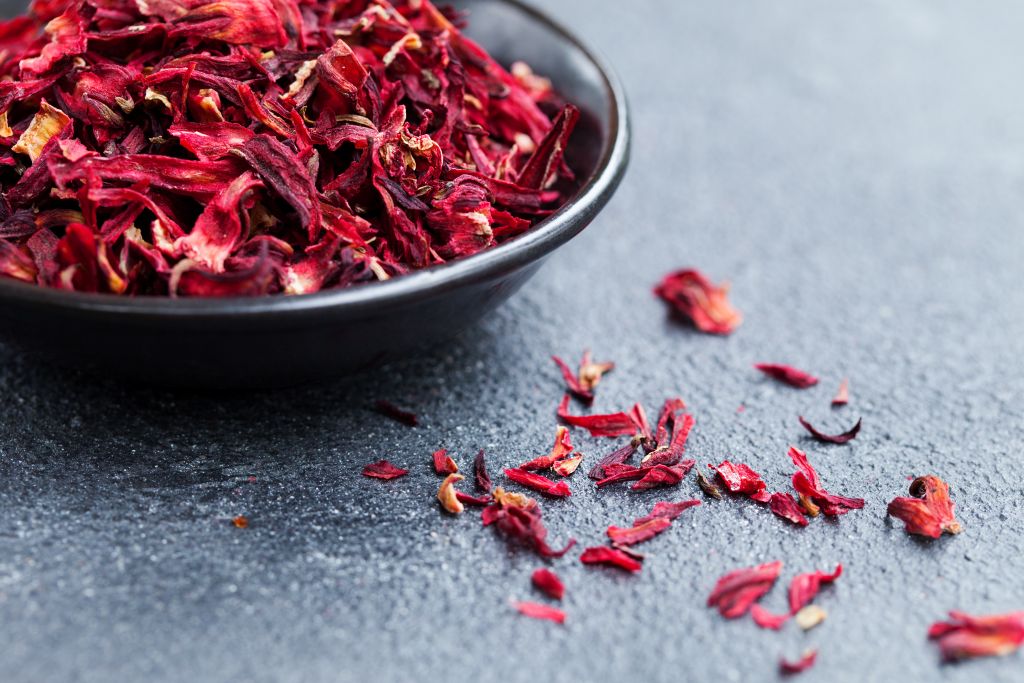
Hibiscus tea is typically made from dried flowers of the hibiscus plant, also known as Hibiscus sabdariffa.
Hibiscus plants are native to tropical and subtropical climates, and their trumpet-shaped flowers are used for culinary and medicinal purposes in many parts of the world.
Hibiscus tea is known for its vibrant red color and refreshing taste. It has long been known to promote cardiovascular health and improve liver function.
Watch the video below to learn how drinking hibiscus tea can help normalize high blood pressure.
Benefits of hibiscus tea for high blood pressure
Regularly drinking hibiscus tea may be particularly beneficial for individuals with hypertension, a cardiovascular disease characterized by elevated blood pressure.
Hibiscus tea is a rich source of flavonoids and anthocyanins. These potent antioxidants are believed to stimulate the production of nitric oxide, a gaseous compound that helps relax and widen blood vessels.
“Relaxed blood vessels improve blood flow and lower resistance in the arteries,” explains Dr. Berg. “This ultimately lowers blood pressure and promotes cardiovascular health.”
In fact, research published in the Journal of Nutrition found that mildly hypertensive adults who drank eight ounces (240 ml) of hibiscus tea three times per day for six weeks significantly lowered systolic and diastolic blood pressure.1
While further research is needed to confirm its role in cardiovascular health, hibiscus tea may be as effective in lowering blood pressure as conventional antihypertensive drugs, thereby reducing the risk of potential side effects and drug-induced nutrient deficiencies.
How to make hibiscus tea for high blood pressure
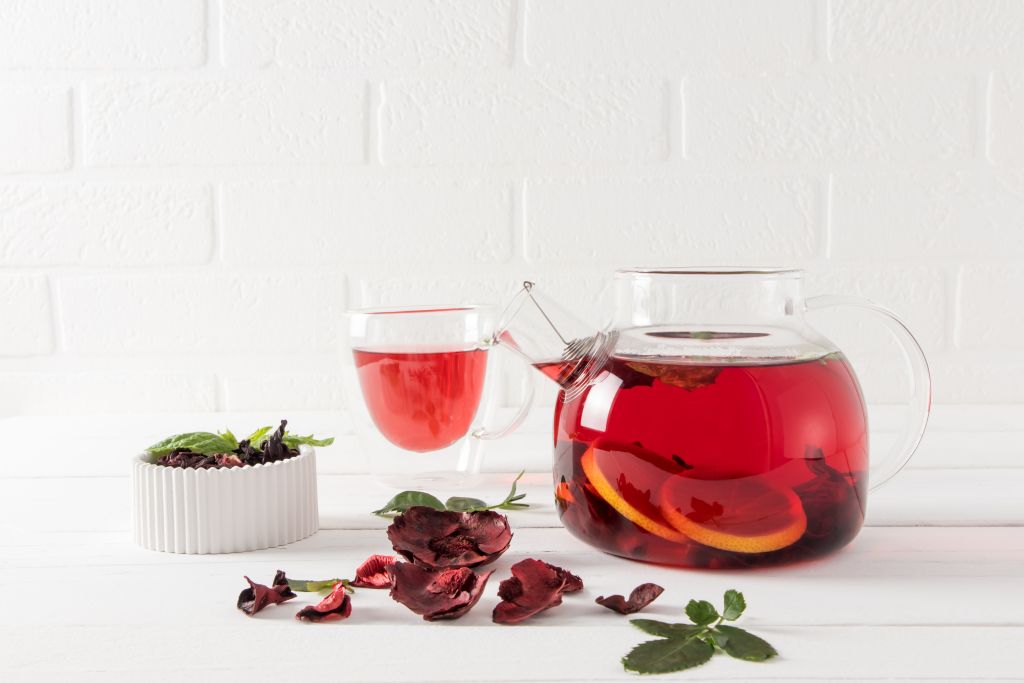
Hibiscus tea, also known as sour tea in some regions, is as easy to make as brewing other herbal teas.
Here’s a simple hibiscus tea recipe you can make at home.
Recipe
1 teaspoon dried hibiscus flowers
8 ounces water, boiling
Instructions
1. Add dried hibiscus leaves to cup or teapot and steep in boiling hot water for 5 minutes.
2. Strain and allow to cool until it reaches desired temperature.
3. Enjoy!
You can also opt for an iced tea recipe and chill the hibiscus infusion in the fridge before consuming it throughout the day.
Hibiscus tea has a naturally tart flavor, and some people prefer to add a dash of cinnamon or vanilla extract to balance its sharpness.
Teabags are a convenient alternative to loose hibiscus leaves, and it’s important to follow the instructions on the product label to achieve the best flavor and optimal potency of hibiscus tea.

How much hibiscus tea should you drink?
Hibiscus tea is naturally caffeine-free, and most people can safely consume several cups daily.
If you want to boost your antioxidant intake and promote general health, it’s generally recommended to drink 1 to 2 cups of hibiscus tea per day.
To manage hypertension, it’s best to aim for three cups of hibiscus tea daily. It can take up to two months of regular hibiscus tea consumption to see a reduction in blood pressure.

Potential risks of hibiscus tea
While hibiscus tea offers various health benefits, it’s crucial to be aware of the potential risks associated with its consumption.
It’s best to avoid hibiscus tea during pregnancy and while trying to conceive. Hibiscus can stimulate uterine blood flow and trigger menstruation, which may increase the risk of miscarriage during the early stages of the first trimester.
In addition, hibiscus tea can interact with blood pressure medication and lead to dangerously low blood pressure linked to fainting and severe dizziness.
It’s essential to consult a healthcare provider if you are taking antihypertensive drugs and are considering adding hibiscus tea to your daily routine.
Other benefits of hibiscus tea
In addition to its potent blood pressure-lowering properties, hibiscus tea has several other potential health benefits.
Here are four reasons why you should be drinking hibiscus tea regularly.
1. Nutritional powerhouse
Hibiscus tea is a rich source of vitamin C, folic acid, calcium, zinc, and various phytochemicals with potent antioxidant properties.
Research published in The Journal of Dietary Supplements found that hibiscus contains more antioxidants than green tea, which is often hailed as one of the most antioxidant-rich beverages.2
Antioxidants protect cells from the adverse effects of free radicals. These harmful metabolic by-products can cause cellular damage and impair normal cell functions, which is linked to increased risk of inflammation, chronic diseases, and premature aging.
2. Supports metabolic health and liver function
Drinking hibiscus tea may lower the risk of obesity and liver steatosis, also known as fatty liver.
It’s believed that flavonoids and polyphenols in hibiscus tea promote metabolic health by improving blood sugar control and cholesterol balance while boosting the liver’s ability to metabolize fats.
A study published in Food and Function summarizes, “Hibiscus reduced obesity, abdominal fat, and improved liver steatosis and could act as an adjuvant for preventing obesity and non-alcoholic fatty liver.”
3. Natural antibiotic
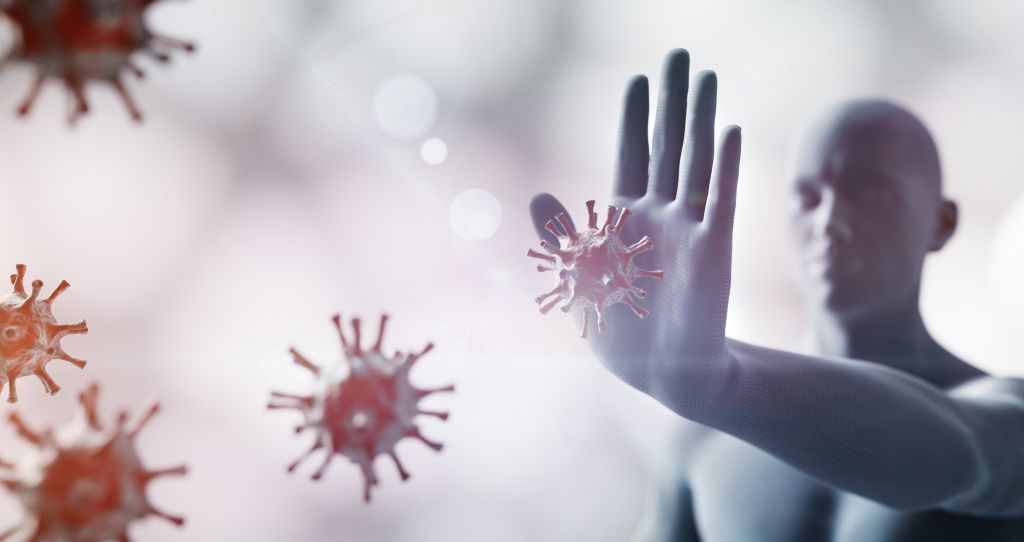
Hibiscus tea has traditionally been used as a natural remedy for various digestive and respiratory tract infections.
Its antimicrobial properties are linked to the high concentrations of antioxidants in hibiscus flowers, which may help eliminate bacteria and fungi by damaging their cellular membranes and causing microbial death.
Hibiscus has been found beneficial in managing infections caused by E. coli, Salmonella, and Candida, the main culprit for yeast infections and oral thrush.
4. Promotes kidney health
Hibiscus tea has mild diuretic properties that stimulate urine production. This can help prevent the formation of kidney stones by aiding in the removal of oxalates and other waste products from the kidneys.
Key takeaways
- Hibiscus tea is a rich source of natural compounds that may help widen blood vessels and improve circulation.
- Consistently incorporating around three cups of hibiscus tea daily has been linked to better blood pressure control.
- To make a soothing, heart-friendly tea, steep dried hibiscus petals in hot water for five minutes.
- This natural remedy is naturally caffeine-free and packed with antioxidants that help protect blood vessels.
- It’s recommended to avoid hibiscus tea during pregnancy or when taking blood pressure medication.
FAQ
- 1. Can hibiscus tea lower your blood pressure?
- 2. How much hibiscus tea should I drink to lower my blood pressure?
- 3. How do I make hibiscus tea for high blood pressure?
- 4. How many times a day should you drink hibiscus tea to lower blood pressure?
- 5. What should I avoid when drinking hibiscus tea?
- 6. Can you drink hibiscus tea while taking blood pressure medication?
- 7. Is it safe to drink hibiscus tea daily?
Sources
- https://jn.nutrition.org/article/S0022-3166(22)06963-2/fulltext ↩︎
- https://pubmed.ncbi.nlm.nih.gov/27736246/ ↩︎
Related Articles
-
What Is Caffeine Sensitivity? Symptoms and Causes
 Nervous system health
What Is Caffeine Sensitivity? Symptoms and Causes
At a glance Caffeine sensitivity occurs when small or moderate amounts of caffeine trigger an exaggerated stimulant response, such as jitters, anxiety, a rapid heartbeat, headaches, or poor sleep. Because…08/27/2026 -
Why You Crave Salt: 7 Causes
 Minerals
Why You Crave Salt: 7 Causes
At a glance Sodium is essential for supporting healthy nerve function, muscle contractions, and fluid balance. When sodium levels are imbalanced due to dietary, lifestyle, or other personal factors, it…06/11/2026 -
Can Fasting Lower Cholesterol?
 Fasting
Can Fasting Lower Cholesterol?
At a glance Fasting can help lower cholesterol levels by promoting the use of body fat for energy, supporting a healthy weight, reducing inflammation, and maintaining balanced insulin levels. Incorporating…05/01/2026 -
Why Am I Feeling Weak and Shaky? 7 Possible Causes
 Health concerns
Why Am I Feeling Weak and Shaky? 7 Possible Causes
At a glance Feeling weak and shaky can indicate poor blood sugar regulation, dehydration, electrolyte imbalances, or nutrient deficiencies, which can disrupt normal energy production, nervous system signaling, and muscle…03/12/2026 -
How to Beat Hypertension
 Health concerns
How to Beat Hypertension
At a glance Hypertension, or high blood pressure, occurs when the force of blood against vessel walls remains too high and strains the circulatory system. It often develops without noticeable…02/26/2026 4.1k views -
What Are the Best Foods to Eat While Taking Warfarin?
 Health concerns
What Are the Best Foods to Eat While Taking Warfarin?
At a glance Warfarin works by affecting the way the body utilizes vitamin K, which helps prevent blood clots. While some foods should be limited, individuals taking warfarin are encouraged…12/08/2025 45k views -
7 Benefits of Magnesium
 Nutrition
7 Benefits of Magnesium
At a glance The benefits of magnesium extend across many essential bodily functions, yet deficiency is common due to inadequate intake or reduced absorption. Because magnesium supports muscles, nerves, bones,…04/09/2025 24.8k views -
7 Foods High in Potassium
 Nutrition
7 Foods High in Potassium
At a glance Potassium is an essential electrolyte that supports muscle function, heart health, nerve signaling, and fluid balance. While bananas are often considered a good dietary source, several other…04/09/2025 70.5k views -
Four Powerful Vitamins (Nutrients) That Remove Plaque from Arteries
 Health concerns
Four Powerful Vitamins (Nutrients) That Remove Plaque from Arteries
At a glance Arterial plaque forms as a response to blood vessel damage, which can be influenced by various lifestyle habits. While reducing common stressors is essential, specific nutrients can…04/09/2025 61.6k views -
Health Benefits of Nattokinase
 Nutrition
Health Benefits of Nattokinase
At a glance Nattokinase is a natural enzyme found in natto, a traditional Japanese food made from fermented soybeans. It helps maintain healthy blood flow, supports normal cholesterol and blood…04/09/2025 16.5k views


