


At a glance
Acetic acid is a natural compound found in vinegar and fermented foods, contributing to their tangy flavor and potential health benefits. Consuming foods with acetic acid, such as apple cider vinegar, can help support digestion, metabolic health, weight management, and maintain a healthy microbial balance.
Acetic acid is a versatile and health-promoting organic acid. It’s the main component of apple cider vinegar, frequently used as a natural preservative, and can even disinfect bathrooms and kitchens.
Acetic acid has been used as a natural remedy for various ailments, including cough, digestive issues, and infections, for more than 5000 years.
Let’s look at the health benefits of acetic acid and find out why you should consume apple cider vinegar regularly.
What is acetic acid?
Acetic acid, also known as ethanoic acid, is an organic acid found naturally in apples, grapes, and blackberries. It can also be produced by bacterial fermentation of sugars and starches.
Undiluted acetic acid, called glacial acetic acid, is highly corrosive and isn’t usually found in food or household products.
This form of acetic acid is used to produce cellulose acetate, polyvinyl acetate, and vinyl acetate monomer, chemical compounds needed to manufacture plastic, paint, and solvents.
Diluting acetic acid with water creates vinegar, and most vinegar contains around 4 to 8 percent of acetic acid.
Acetic acid vinegar is considered a weak acid that inhibits bacterial growth, making it an ideal pickling agent and preservative. It’s often used in combination with other food additives—including citric acid and acetate salts—to prolong the shelf life of food products.

Sources of acetic acid
Acetic acid is the main organic acid in vinegar and is responsible for vinegar’s pungent smell and tart taste.
Acetic acid is found in all types of vinegar, including:
- Apple cider vinegar
- Balsamic vinegar
- Rice vinegar
- Wine vinegar
- Malt vinegar
- Distilled, white vinegar
Because of its potent antibacterial properties, the food industry commonly uses acetic acid as a natural preservative to extend product shelf life.
Here are popular food products containing acetic acid:
- Pickled products, including pickled vegetables, pickled eggs, and pork pickles
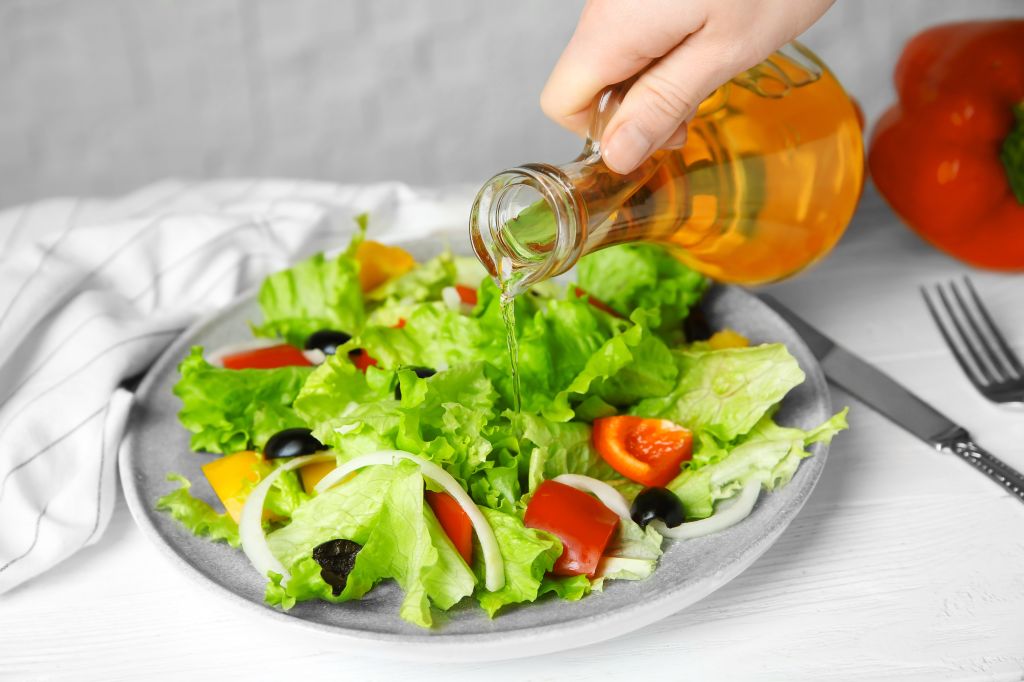
- Salad dressings
- Mustard
- Ketchup
- Mayonnaise
- Sauces and condiments
- Kombucha
Vinegar is also a common ingredient used for making bread. The acetic acid, in combination with baking soda, causes a chemical reaction that creates carbon dioxide gas, making vinegar an excellent leavening agent that helps bread dough to rise.

Five health benefits of acetic acid
Research published in the Journal of Food Science suggests that acetic acid has potent antimicrobial, antiobesity, and antioxidative properties and may support healthy blood pressure.1
While all vinegar contains acetic acid, most people use apple cider vinegar to support health.
“Raw apple cider vinegar is unpasteurized and unfiltered and a rich source of potassium, enzymes, and small amounts of beneficial bacteria,” explains Dr. Berg. “In contrast, white distilled vinegar is often made from GMO crops and contains no nutrients.”
Here are five reasons why you should consume apple cider vinegar regularly!
1. Supports healthy digestion
Frequent consumption of foods with acetic acid can support digestion and reduce the risk of bacterial infection.
Many people have insufficient stomach acid levels, resulting in sluggish digestion and gastrointestinal issues, including bloating, acid reflux, and malabsorption of fat-soluble vitamins.
Acetic acid balances stomach acid concentrations, which promotes the breakdown and absorption of proteins, vitamins, and minerals.
In addition, acetic acid’s acidity appears to inhibit the growth and proliferation of Helicobacter pylori, a gastric bacterium linked to the development of stomach ulcers and colon cancer.
2. Lowers the risk of bacterial infection
Vinegar has traditionally been used as a natural remedy for infections and as an antiseptic and disinfectant tonic. Acetic acid disrupts the pH balance of microbes and breaks down bacterial cell walls, effectively killing them.
Acetic acid intake appears to lower the risk of viral respiratory and gastrointestinal bacterial infections. It also promotes a healthy intestinal microflora that inhibits the proliferation of harmful bacteria and yeasts linked to inflammation, digestive issues, and weight gain.
3. Promotes blood sugar balance
Consuming apple cider vinegar supports healthy blood sugar regulation and may help lower the risk of diabetes and metabolic syndrome.
A study published in Clinical Nutrition suggests that acetic acid slows gastric emptying, which buffers the rise of blood sugar levels after a meal.2
The authors summarize, “Daily vinegar intake in amounts of 10 to 30 mL (2 to 6 tablespoons) appears to improve the glycemic response to carbohydrate-rich meals.”
In addition, acetic acid may enhance the sensitivity of your cells to insulin and inhibit the release of excessive insulin, which supports an effective metabolism and a healthy weight.
4. Supports heart health
Acetic acid has been found to support healthy blood pressure levels, which promotes cardiovascular health and lowers the risk of stroke and heart attacks.
Although research is limited, acetic acid is believed to stimulate the release of renin, an enzyme that regulates electrolytes and fluid balance. This enzyme directly impacts blood volume and, consequently, blood pressure.
5. Promotes a healthy weight
Acetic acid slows down digestion, especially gastric emptying. This supports satiety, making you feel fuller for longer, and helps curb cravings linked to excessive intake of calories and weight gain.
Consuming apple cider vinegar before a meal can result in a significantly lower intake of calories, which promotes the loss of body fat and long-term weight maintenance.

Other uses of acetic acid
Acetic acid has potent antimicrobial properties and is less corrosive than other acids. This makes acetic acid an ideal natural disinfectant for various purposes.
Here are some common household uses of acetic acid.
Cleaning and laundry
Vinegar has been used as an all-purpose household cleaner for centuries. Diluted acetic acid is an excellent natural disinfectant and a common ingredient in cleaning products, including household cleaners, window cleaners, bathroom cleaners, and dish soaps.
Adding vinegar to your laundry can help resolve tough stains and keep your clothes bright in color.
Medicine and personal care products
Acetic acid can be found in medicines and topical ointments for fungal infections, and is often added to cosmetics to control pH values and extend the shelf life of skincare products.
Gardening
Acetic acid in the form of an aqueous solution can be used as a natural, nontoxic weed killer, and adding a splash of vinegar to cut flowers appears to keep them fresh for longer.

Who shouldn’t use acetic acid
The use of vinegar and acetic acid is generally considered safe. However, acetic acid can slow gastric emptying, which can be problematic for people who administer insulin to manage diabetes.
It’s best to avoid high concentrations of acetic acid if you are taking insulin to avoid potentially dangerous low blood sugar levels.
If you’re taking medications to manage blood pressure or potassium levels, talk to your doctor before using apple cider vinegar. Excessive consumption may lower potassium levels, potentially leading to electrolyte imbalances and related health concerns.
Due to its acidity, those with open wounds or cuts should avoid using acetic acid-containing products.
Key takeaways
- Acetic acid is an organic acid found in vinegar and other fermented foods.
- Regularly consuming foods with acetic acid, such as apple cider vinegar and pickled vegetables, may help promote digestion, healthy blood sugar levels, and weight management.
- Because of its antimicrobial and preservative properties, acetic acid helps protect food quality and supports a healthy gut environment.
- Those taking insulin or blood pressure medications should consult a healthcare provider before using acetic acid products.
FAQ
- 1. What is acetic acid?
- 2. Does apple cider vinegar contain acetic acid?
- 3. What are the health benefits of acetic acid?
- 4. What food has the most acetic acid?
- 5. Which fruit has the most acetic acid?
- 6. Does acetic acid reduce inflammation?
- 7. Who should not take acetic acid?
- 8. How much acetic acid can I have each day?
- 9. Does vinegar help with acid reflux?
- 10. Is acetic acid good for weight loss?
- 11. Is acetic acid harmful?
Sources
Related Articles
-
How Does Sugar Affect Digestion?
 Digestive health
How Does Sugar Affect Digestion?
At a glance Sugar is a carbohydrate that the digestive system breaks down into simple molecules for absorption and energy use. While this is a normal part of metabolism, sugar…09/24/2026 -
Bloating After Eating: Common Causes and Simple Fixes
 Digestive health
Bloating After Eating: Common Causes and Simple Fixes
At a glance Bloating after eating is often linked to swallowed air, gas production, food intolerance, constipation, or changes in how the digestive tract moves food. While occasional bloating is…05/29/2026 -
6 Natural Remedies for H. Pylori
 Health concerns
6 Natural Remedies for H. Pylori
At a glance Helicobacter pylori (H. pylori) is a common pathogen that infects the stomach and increases the risk of ulcers and other gastrointestinal symptoms. While conventional treatment relies on…03/19/2026 24.6k views -
How to Kill Parasites: 7 Natural Tips
 Health concerns
How to Kill Parasites: 7 Natural Tips
At a glance Parasitic infections occur when worms or protozoa colonize the body, often through exposure to contaminated pets, food, or water. These organisms can interfere with digestion and other…03/13/2026 15.1k views -
What Is the Top Cause of Rosacea?
 Health concerns
What Is the Top Cause of Rosacea?
At a glance Rosacea is a chronic skin condition marked by facial redness and discomfort. The cause of rosacea extends beyond the skin, with growing research highlighting the connection between…02/20/2026 8.1k views -
Can Iron Tablets Make You Feel Sick?
 Nutrition
Can Iron Tablets Make You Feel Sick?
At a glance Iron tablets can make you feel sick by irritating the intestines, altering the gut microbiome, and potentially damaging intestinal cells. While iron is essential in trace amounts,…02/13/2026 6.5k views -
Abdominal Gas and Bloating: Causes and Remedies
 Health concerns
Abdominal Gas and Bloating: Causes and Remedies
At a glance Abdominal gas and bloating can signal underlying digestive issues, such as low stomach acid, poor bile flow, or microbial overgrowth. While occasional bloating is normal, persistent symptoms…01/29/2026 35k views -
Is Cheese a Good Probiotic?
 Nutrition
Is Cheese a Good Probiotic?
At a glance While various traditionally fermented cheeses contain live cultures that support gut health, many modern cheeses are highly processed or pasteurized, which destroys beneficial bacteria. Choosing raw, unpasteurized,…12/31/2025 5.7k views -
How to Improve Your Gut Health – 10 Natural Ways
 Health concerns
How to Improve Your Gut Health – 10 Natural Ways
At a glance Gut health significantly influences digestion, energy, immunity, and mood, making it essential to support the gut for overall wellness. By adopting a gut-supportive diet and consistent daily…10/03/2025 -
What Are the Best Foods for Gut Health?
 Health concerns
What Are the Best Foods for Gut Health?
At a glance Supporting gut health with the right foods can promote microbial balance, digestive comfort and efficiency, and metabolic health. Adopting certain lifestyle habits can further reinforce digestive balance…10/03/2025