

At a glance
Cancer risk is strongly influenced by diet and lifestyle factors that affect inflammation, metabolic health, immune surveillance, and cellular repair. Strategies such as carbohydrate restriction, fasting, regular movement, and restorative sleep can help create an internal environment that limits abnormal cell growth and supports long-term health.
Cancer prevention begins with making dietary and lifestyle choices that limit exposure to cancer-causing compounds while strengthening the body’s capacity to detect and eliminate cancerous cells.
Here’s how to reduce cancer risk with ten simple but highly effective strategies that support overall health, enhance immune function, and minimize exposure to harmful substances.
How do lifestyle choices affect cancer risk?
While genetic factors and family history influence an individual’s risk of developing cancer, lifestyle choices also play a significant role in either increasing or reducing cancer risk.
Data published by the American Cancer Society (ACS) reports that cancer is the second most common death in the U.S. and that certain dietary patterns and lifestyle habits are critical contributors.
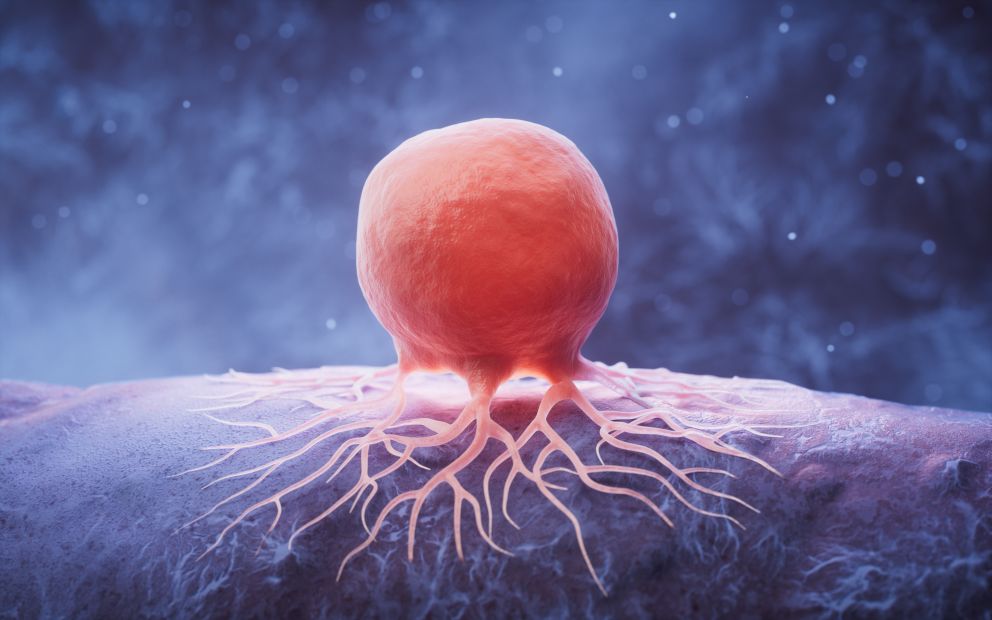
Cancer development requires a specific environment in which abnormal cells can survive, grow, and multiply.
Factors such as chronic inflammation, excess body fat, high blood sugar, hormonal imbalances, and oxidative stress—all linked to diet and lifestyle choices—can create conditions that allow cancerous cells to evade the body’s natural defenses.
Common types of cancers linked to dietary or lifestyle factors include:
- Lung cancer
- Skin cancer
- Kidney cancer
- Liver cancer
- Breast cancer
- Colon cancer
- Prostate cancer
- Cervical cancer
- Ovary cancer
- Bladder cancer
In addition to adopting cancer-preventative strategies, consulting a healthcare professional regularly, following recommended screening tests, and monitoring for early warning signs can help find cancer early and prevent its spread.
Watch the video below to discover four ways to significantly reduce your risk of cancer.
10 tips to reduce cancer risk
Research published in Cancer Innovation reports that only 5 to 10 percent of all cancers are directly linked to inherited abnormal genes, highlighting that the vast majority of cancer cases are linked to lifestyle factors and therefore may be preventable.
Here are 10 strategies to reduce your risk of developing cancer.
1. Follow a Healthy Keto® diet
Most cancers utilize glucose as a primary fuel source, allowing them to grow and proliferate.
Therefore, the ketogenic diet, which restricts carbohydrate intake to limit the body’s glucose availability, has been extensively investigated for its potential role in cancer prevention.
A study published in Nutrition evaluated the impact of a low-carbohydrate ketogenic diet regarding cancer and concluded, “This nutritional diet regimen offers an alternative approach to reconfigure and target the cellular metabolism of cancerous cells.”
However, reducing dietary carbohydrates alone isn’t enough to lower cancer risk. It’s equally important to prioritize a nutrient-rich diet that limits processed foods, which are recognized as significant cancer risk factors.
This makes a Healthy Keto® approach an effective strategy for cancer prevention, as it not only limits excess glucose that cancer cells may rely on but also emphasizes nutrient-dense, whole foods that support a robust immune system and overall cellular health.
“Combining carbohydrate restriction with organic and grass-fed red meat, poultry, wild-caught fish, non-starchy vegetables, full-fat dairy products, seeds, and nuts helps create an environment that supports the body’s natural defenses and reduces exposure to cancer-promoting compounds,” explains Dr. Berg.

2. Practice fasting
Both intermittent fasting and prolonged fasting routines offer profound health benefits that may help strengthen the body’s ability to prevent cancer growth.
Intermittent fasting, which alternates between periods of caloric restriction and designated eating windows, helps limit prolonged elevations in blood glucose.
This effect is particularly significant when combined with a healthy diet that emphasizes carbohydrate restriction, supporting metabolic balance and reducing potential cancer-promoting conditions.
Prolonged fasting protocols, such as 24- or 72-hour fasts, can play an even larger role in reducing cancer risk. Extended periods of caloric restriction trigger autophagy, a cellular cleanup process that removes damaged or malfunctioning cells and helps maintain healthy tissue function.
Autophagy not only supports overall cellular resilience but may also limit the survival and proliferation of abnormal cells, contributing to a reduced risk of cancer development.
3. Maintain a healthy weight
According to a report released by the Centers for Disease Control (CDC), being overweight or obese is linked to an increased risk of 13 types of cancer, which account for 40 percent of all cancer cases.
Diets high in carbohydrates, added sugars, soft drinks, and processed foods are the main culprits of weight gain and associated health issues, including cancer.
Making healthy choices by following a nutrient-focused low-carb ketogenic diet, in combination with intermittent fasting, is an excellent strategy to support a healthy body weight.
Both Healthy Keto and fasting stimulate the body to burn fat, helping reduce excess body weight while promoting metabolic health and normal cellular functions.
Maintaining a healthy weight not only lowers the risk of cancer but also supports hormone balance and cellular resilience, creating an environment less conducive to cancer development.
4. Prioritize antioxidant-rich foods
Oxidative stress plays a major role in cancer development, as it can damage DNA and disrupt normal cellular functions.
Free radicals, which are by-products of many metabolic processes, are the primary drivers of oxidative stress. The body relies on antioxidants to neutralize these reactive compounds and protect cells from damage.
While the body can produce some antioxidants naturally, prioritizing antioxidant-rich foods is essential for effectively managing oxidative stress.
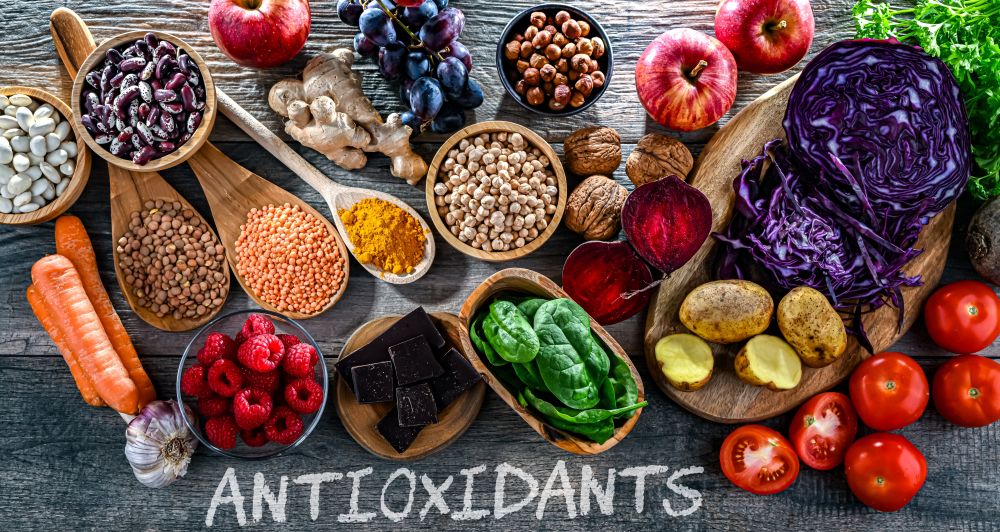
Some of the best dietary sources of antioxidants include:
- Berries
- Leafy green vegetables
- Cruciferous vegetables
- Tomatoes
- Seeds
- Nuts
- Unsweetened dark chocolate
- Garlic
- Turmeric
- Cinnamon
- Oregano
- Thyme
- Green tea
5. Engage in regular physical activity
An active lifestyle, especially when combined with a healthy diet, supports better body weight management, an important factor in reducing the risk of cancer.
In addition, regular physical activity helps maintain balanced blood glucose levels, reduces inflammation, and supports hormone balance, all of which create a less favorable environment for cancer development.
Research published in Medicine & Science in Sports & Exercise reports that individuals who exercise regularly may reduce their relative risk of developing certain cancers by as much as 50 percent.
Even short workouts and low-impact activities, such as walking, stretching, light strength training, or gardening, offer meaningful benefits.
It’s important to note that consistency matters more than exercise intensity, and regular movement is an effective cancer-reduction strategy for individuals at any fitness level.

6. Opt for organic produce
Many seemingly healthy foods, including berries, vegetables, seeds, and nuts, are grown in large-scale agricultural systems that typically use herbicides such as glyphosate to increase yields.
As a result, nutrient-dense foods recommended as part of a cancer-preventative diet strategy may contain traces of glyphosate, linked to various health issues, including an increased risk of cancer.
This has been confirmed by evidence published in Clinical Lymphoma Myeloma and Leukemia, highlighting that exposure to glyphosate appears to increase the risk of various blood cancers as well as thyroid cancer.
Therefore, it’s critical to purchase organic produce whenever possible and thoroughly wash non-organic produce to minimize glyphosate exposure.
7. Prioritize sleep
The role of sleep in cancer prevention is often overlooked. However, adequate sleep is a foundation of optimal health and supports multiple biological processes that support normal cellular functions and enhance the body’s ability to repair DNA.
In addition, getting enough rejuvenating sleep helps maintain detoxification pathways, hormonal balance, inflammatory regulation, and immune surveillance, all of which are essential for identifying and eliminating abnormal cells and reducing long-term cancer risk.
Most adults are advised to aim for 7 to 9 hours of sleep per night. Sleep quality can be improved by keeping the bedroom cool, quiet, and dark, avoiding stimulants later in the day, and limiting screen exposure in the hours leading up to bedtime.

8. Incorporate stress-reduction techniques
The detrimental effects of chronic stress have long been recognized, and research published in the International Journal of Cancer found a strong association between stress and cancer risk.
Stress can trigger hormonal imbalances, dysregulated metabolic processes, systemic inflammation, and increased oxidative stress. These factors can promote cellular damage and impair the body’s ability to regulate abnormal cell growth.
While it’s impossible to avoid everyday stressors, incorporating stress-reduction techniques such as deep breathing, gentle stretching, engaging in hobbies, or spending time in nature can help restore balance and minimize the detrimental health effects of stress.
9. Foster social connections
According to evidence published in Psychiatry Research, social isolation and loneliness appear to significantly increase the risk of various diseases, including cancer, especially in men.
Social connections help regulate stress hormones. This is vital for maintaining inflammatory balance and supporting robust immune functions, both of which contribute to the body’s ability to identify and repair abnormal cells.
Regularly spending time with friends and family, participating in community events, joining group exercise classes, and engaging in social activities can be a meaningful part of a targeted cancer-prevention lifestyle.

10. Reduce exposure to cancer-causing substances
While most people understand that smoking and drinking alcohol can increase cancer risk, there are many other environmental and lifestyle factors that can also contribute to cancer cell development.
Exposure to harsh cleaning chemicals, air pollution, heavy metals, pesticides, and even certain ingredients in skin and haircare products has been linked to an increased cancer risk.
Ultra-processed foods, which are packed with additives, preservatives, refined sugars, and unhealthy fats, have also been associated with metabolic imbalances that may promote cancer development.
Practical steps to reduce exposure to potentially cancer-causing substances include prioritizing minimally processed foods and choosing natural cleaning and personal care products.
Installing air filters and avoiding unnecessary contact with chemical or industrial toxins whenever possible can also help minimize exposure to harmful compounds and support overall health and well-being.
Key takeaways
- The majority of cancer cases are linked to lifestyle factors rather than inherited genetics.
- Limiting excess glucose by following a Healthy Keto diet in combination with fasting may deprive potential cancer cells of the fuel they need to proliferate.
- Maintaining a healthy weight, staying physically active, and prioritizing antioxidant-rich foods further support normal cellular functions and longevity.
- Adequate sleep, stress management, and strong social connections help regulate immune and hormonal balance, two critical factors for effective cancer risk reduction.
- Reducing exposure to toxins, ultra-processed foods, and environmental chemicals is an important part of cancer prevention.
FAQ
- 1. How can I reduce my risk of cancer?
- 2. Does sugar increase cancer risk?
- 3. How does obesity relate to cancer risk?
- 4. When should cancer screening be prioritized?
Sources
- https://www.cancer.org/cancer/risk-prevention. cancer.org. Accessed 2026. https://www.cancer.org/cancer/risk-prevention/diet-physical-activity/acs-guidelines-nutrition-physical-activity-cancer-prevention.html
- Anand P, Kunnumakkara AB, Sundaram C, et al. Cancer is a preventable disease that requires major lifestyle changes. Pharm Res. 2008;25(9):2097-116. https://pmc.ncbi.nlm.nih.gov/articles/PMC2515569/
- https://www.sciencedirect.com/science/article/abs/pii/S0899900724000777
- Obesity and Cancer. Centers for Disease Control and Prevention. Accessed 2026. https://www.cdc.gov/cancer/risk-factors/obesity.html
- McTiernan A, Friedenreich CM, Katzmarzyk PT, et al. Physical Activity in Cancer Prevention and Survival: A Systematic Review. Med Sci Sports Exerc. 2019;51(6):1252-1261. https://pmc.ncbi.nlm.nih.gov/articles/PMC6527123/
- https://www.sciencedirect.com/science/article/abs/pii/S2152265025042855
- Yang T, Qiao Y, Xiang S, Li W, Gan Y, Chen Y. Work stress and the risk of cancer: A meta-analysis of observational studies. Int J Cancer. 2019;144(10):2390-2400. https://pubmed.ncbi.nlm.nih.gov/30484859/
- https://www.sciencedirect.com/science/article/pii/S0165178121001657
Related Articles
-
7 Common Intermittent Fasting Myths Debunked
 Diet
Diet7 Common Intermittent Fasting Myths Debunked
At a glance Intermittent fasting is an increasingly popular dietary pattern that is often misunderstood. Many common concerns surrounding intermittent fasting, including muscle loss, hormonal disruption, and metabolic slowdown, are…09/03/2026 -
What Is Time-Restricted Eating?
 Diet
DietWhat Is Time-Restricted Eating?
At a glance Time-restricted eating is a form of intermittent fasting that limits meals to a consistent daily eating window. This approach focuses on when food is consumed rather than…08/13/2026 -
Does Intermittent Fasting Affect Your Metabolism?
 Diet
DietDoes Intermittent Fasting Affect Your Metabolism?
At a glance Intermittent fasting impacts metabolism by shifting the body towards ketosis, improving insulin sensitivity, and enhancing metabolic flexibility. While fasting can support weight management and metabolic efficiency, results…07/23/2026 -
What Is the Best Meal Timing for Stable Energy?
 Diet
DietWhat Is the Best Meal Timing for Stable Energy?
At a glance Meal timing can influence daily alertness, hunger cues, and blood sugar patterns. The body processes food according to internal rhythms that affect insulin, digestion, and metabolic activity.…07/17/2026 -
Fasting and Cancer: What to Know
 Fasting
Fasting and Cancer: What to Know
At a glance Fasting has been increasingly studied for its potential role in cancer prevention and support during treatment. By influencing cellular metabolism, promoting autophagy, and modulating immune function, fasting…07/16/2026 -
36-Hour Fasting: Benefits, Safety, and How It Works
 Diet
Diet36-Hour Fasting: Benefits, Safety, and How It Works
At a glance A 36-hour fast is a prolonged fasting strategy that shifts the body into ketosis, promoting fat burning, improved insulin sensitivity, and cellular repair through autophagy. These metabolic…06/25/2026 -
Does Fasting Help with Inflammation?
 Diet
DietDoes Fasting Help with Inflammation?
At a glance Fasting is a powerful tool for reducing inflammation and supporting overall health. By promoting fat burning and activating cellular repair processes, fasting can help lower pro-inflammatory markers.…06/05/2026 -
Does Chewing Gum Break a Fast?
 Fasting
Does Chewing Gum Break a Fast?
At a glance Whether or not gum breaks a fast depends on its ingredients. Sugary gum raises insulin and can break a fast outright. Some sugar-free gum is acceptable, but…05/29/2026 -
Why You Feel Hungry: The Role of Hunger Hormones
 Keto
KetoWhy You Feel Hungry: The Role of Hunger Hormones
At a glance Hormones are chemical messengers that regulate appetite, satiety, and energy homeostasis. Key hunger hormones, such as ghrelin, leptin, and insulin, signal when to eat and when to…05/15/2026 -
Can you Exercise While Fasting?
 Fasting
Can you Exercise While Fasting?
At a glance Doing exercise while fasting can be a useful method for supporting weight loss and metabolic health, especially when combined with a Healthy Keto® diet and proper hydration.…05/07/2026


