


At a glance
Inflammation is the body’s natural defense against injury or infection, but when it becomes chronic, it can interfere with normal metabolic and cellular functions. Prioritizing Nutrient-rich and anti-inflammatory foods can help support balanced immune functions and promote a resilient body.
A poor diet, alcohol, stress, and dysregulated immune system functions can contribute to chronic inflammation, a primary risk factor for the development of many chronic diseases.
Discover the six best anti-inflammatory foods to restore balance and learn how beneficial dietary changes can help reduce inflammation and improve overall health and well-being.
What is inflammation?
Inflammation is a critical mechanism the body uses to protect and heal itself in response to injury, infection, or exposure to toxins.
In the short term, acute inflammatory responses help eliminate harmful agents and trigger the repair of damaged tissues. However, when inflammation in the body becomes chronic, it can have various detrimental effects.
Persistently elevated levels of inflammatory proteins can disrupt normal cellular functions and damage healthy tissues. This kind of body-wide inflammation is often silent and doesn’t always cause noticeable symptoms.
A study published in Nature Medicine highlights that chronic inflammation interferes with cellular activity and is linked to the development of serious health issues, including heart disease, diabetes, autoimmune disorders, and even cognitive decline.1
Watch the video below to discover the best remedies to combat inflammation.
What causes inflammation?
Injury and infections naturally trigger the release of inflammatory messengers as part of the body’s defense and healing process.
This acute inflammation is designed to resolve once the perceived threat has been eliminated and tissue repair is initiated.
However, certain dietary and lifestyle choices can drive chronic inflammation by continuously activating the immune system even in the absence of infection or injury.
Research published in Advances in Nutrition reports that diets high in processed foods, added sugars, unhealthy fats, and alcohol promote the continuous release of proinflammatory molecules.2
The authors summarize, “Western-type dietary patterns contribute to metaflammation, a state of disturbed immune-metabolic homeostasis, predisposing chronic disease development and progression.”
Furthermore, a sedentary lifestyle, chronic stress, poor sleep, and exposure to environmental toxins and heavy metals worsen inflammation by contributing to hormonal imbalance, sluggish liver function, and impaired immune system regulation.
Poor metabolic health and excess visceral fat, which is predominantly located around the abdominal organs, are also major contributors to chronic inflammation.
“Visceral fat actively releases pro-inflammatory cytokines, leaving those with stubborn belly fat at risk of systemic inflammation and its long-term impact on overall health,” explains Dr. Berg.
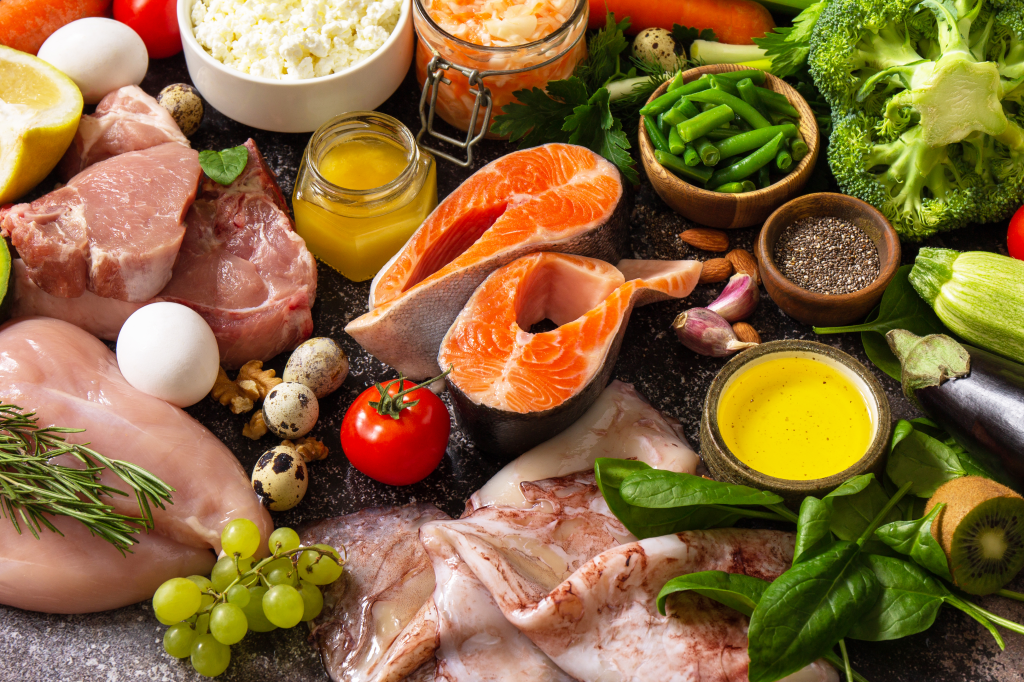
6 best anti-inflammatory foods
Following an anti-inflammatory diet rich in nutritious whole foods is critical to reducing chronic inflammation, supporting immune balance, and lowering the risk of disease.
Here are six of the best foods to fight inflammation and support a healthy body.
1. Healthy fats
Fatty acids play a crucial role in regulating inflammatory pathways by influencing the production of signaling molecules that either promote or resolve inflammation.
Healthy fats have potent anti-inflammatory effects, helping to regulate immune function and reduce the production of pro-inflammatory molecules, including cytokines.
Research published in Biomedicine highlights that extra virgin olive oil, a cornerstone of the Mediterranean diet, contains bioactive compounds that act similarly to anti-inflammatory drugs by blocking cytokine release.3
Other sources of nutritious fats with potent anti-inflammatory properties include:
- Fatty fish, such as tuna, salmon, and sardines
- Avocado
- Grass-fed butter
- Beef tallow
- Ghee
- Coconut oil
- Nuts and nut oils
2. Cruciferous and green leafy vegetables
Cruciferous and leafy green vegetables are rich sources of anti-inflammatory compounds, natural antioxidants, and essential anti-inflammatory nutrients that help support the body’s ability to regulate inflammation.
Some of the best options include broccoli, Brussels sprouts, kale, spinach, arugula, bok choy, cabbage, and Swiss chard.
Many of these vegetables also contain sulforaphane, a powerful plant compound that has been shown to reduce inflammation at the cellular level and support detoxification pathways, which is critical for overall health.
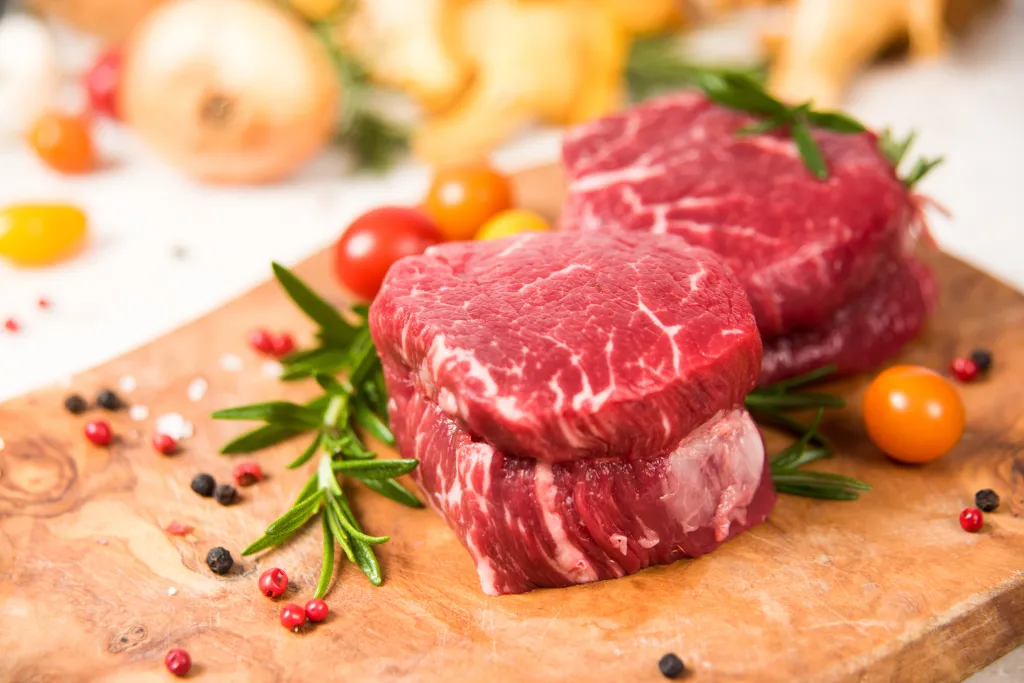
3. Grass-fed beef
Grass-fed beef contains high concentrations of health-promoting saturated fats, including stearic acid, which may have beneficial effects on inflammation.
It’s also a rich source of glutamine, an important amino acid that supports gut health and helps maintain the integrity of the intestinal lining. This is crucial to reducing systemic inflammation linked to gut permeability.
4. Turmeric
Curcumin, the bioactive compound responsible for turmeric’s vibrant color and distinctive aroma, has been valued for centuries for its potent anti-inflammatory properties.
Evidence published in Drug Design, Development and Therapy summarizes, “Curcumin exerts anti-inflammatory effects by regulating inflammatory signaling pathways and inhibiting the production of inflammatory mediators.”4
5. Garlic and onions
Garlic and onions offer powerful anti-inflammatory and immune-supportive benefits thanks to their high content of sulfur-containing compounds such as allicin and quercetin.
These bioactive compounds can help modulate immune activity, reduce the production of pro-inflammatory cytokines, and may support detoxification processes in the body.
6. Nuts and seeds
Nuts and seeds, such as walnuts, almonds, flaxseeds, and chia seeds, offer powerful anti-inflammatory benefits due to their high content of healthy fats, antioxidants, and plant-based omega-3 fatty acids.
Regularly consuming nuts and seeds may also support metabolic balance and a healthy weight, which plays a crucial role in lowering inflammation.

Worst foods for inflammation
Certain foods can increase oxidative stress, contribute to nutritional deficiencies, and disrupt immune regulation, all of which can stimulate the release of pro-inflammatory compounds.
Here are common foods and beverages known to trigger inflammation.
1. Ultra-processed foods
Packaged foods, frozen meals, processed meat, and snack foods such as potato chips often contain artificial additives, preservatives, and low-quality ingredients.
The body doesn’t recognize many of these synthetic ingredients, which can trigger an immune response and the release of pro-inflammatory compounds.
2. Refined carbohydrates and sugars
Refined carbohydrates and sugar found in foods such as white bread, crackers, cereals, pastries, sodas, sweets, and sugary snacks rapidly break down into glucose, causing spikes in blood sugar and insulin levels.
These fluctuations dysregulate hormonal balance, which can stimulate the release of inflammatory markers and contribute to systemic inflammation over time.

3. Processed seed oils
Highly processed vegetable oils, including soybean, corn, and canola oil, contain high concentrations of omega-6 fatty acids, which have been linked to inflammation.
While some omega-6 fats are essential, excessive intake of refined seed oils, especially in combination with insufficient omega-3 fat intake, can directly promote inflammatory pathways in the body.
Refined seed oils are widely used in processed and fried foods, which not only deliver an excess of pro-inflammatory omega-6 fats but also often contain inflammatory compounds created during high-heat cooking.
4. Gluten-containing foods
Consuming gluten, which is found in wheat, barley, and rye, can cause gut irritation and inflammation of the intestinal lining, even in individuals without celiac disease.
Gluten proteins have been shown to increase intestinal permeability, commonly known as a leaky gut, which can allow toxins and partially digested particles to pass into the bloodstream.
This uncontrolled influx of potentially harmful compounds can provoke ongoing immune responses, making it a common driver of chronic inflammation and related health problems.
5. Alcohol
A study published in Cureus highlights the significant impact of regular alcohol consumption in both triggering and perpetuating chronic inflammation throughout the body.5
The metabolism of alcohol produces toxic by-products, which can cause cellular damage and activate inflammatory responses.
Alcohol also disrupts gut barrier function, allowing potentially harmful substances to leak into the bloodstream, thereby amplifying systemic inflammation.

Risks of high inflammation
While short-term inflammation helps the body heal, unresolved and chronic inflammation can damage tissues, alter normal cellular function, and disrupt metabolic and immune balance.
Inflammation interferes with blood vessel integrity, hormone production, brain function, and immune cell activity.
It also increases oxidative stress, promotes arterial plaque buildup, and elevates harmful low-density lipoprotein (LDL) cholesterol, all of which create an ideal environment for the development of chronic illness.
Prolonged and unresolved inflammation can increase the risk of:
- Rheumatoid arthritis
- Cardiovascular disease
- High blood pressure
- Psoriasis and eczema
- Autoimmune diseases
- Insulin resistance and diabetes
- Alzheimer’s disease
- Obesity
- Chronic kidney disease
- Poor liver function
- Cancer
- Premature death
Adopting an anti-inflammatory, whole-food-based diet, consistent physical activity, and stress management is an excellent strategy for reducing chronic inflammation and supporting long-term health.
Key takeaways
- Inflammation can be triggered by stress, poor sleep, diets high in processed foods, added sugars, refined oils, and alcohol.
- Anti-inflammatory foods help regulate immune responses and support metabolic and cellular health.
- The best foods for inflammation are healthy fats, cruciferous and leafy green vegetables, grass-fed beef, garlic, onions, turmeric, nuts, and seeds.
- Avoiding processed foods, refined carbohydrates, alcohol, and gluten is crucial for regulating inflammation and promoting overall vitality.
FAQ
What are the best anti-inflammatory foods?
Some of the best anti-inflammatory foods include wild-caught oily fish such as tuna, salmon, and sardines. These fish are rich sources of omega-3 fatty acids, a group of lipids linked to more balanced inflammatory responses.
Other top choices include leafy greens, garlic, onion, nuts, seeds, olive oil, turmeric, and cruciferous vegetables, all offering powerful anti-inflammatory benefits.
What is the best diet to reduce inflammation?
A nutrient-dense, whole-food-based diet low in carbohydrates and sugars, such as the Healthy Keto approach, can be highly effective in reducing inflammation.
Healthy Keto focuses on nutritious fats, high-quality proteins, and antioxidant-rich vegetables. These foods promote metabolic and immune health, which is crucial for supporting natural anti-inflammatory processes.
What foods contribute to inflammation?
Foods that promote inflammation include refined carbohydrates and sugars, fried foods, processed meats, highly-refined vegetable oils, and ultra-processed foods.
These foods have been found to elevate inflammatory biomarkers, disrupt gut health, and contribute to oxidative stress, all of which fuel inflammation and increase the risk of disease.
Can sugar cause inflammation?
Yes, sugar and sugary beverages can spike blood sugar levels and trigger the release of insulin. This can stimulate the production of pro-inflammatory molecules, contributing to chronic inflammation and increasing the risk of related health problems.
Sources
- https://pmc.ncbi.nlm.nih.gov/articles/PMC7147972/ ?
- https://pmc.ncbi.nlm.nih.gov/articles/PMC8803482/ ?
- https://pmc.ncbi.nlm.nih.gov/articles/PMC7400632/ ?
- https://pmc.ncbi.nlm.nih.gov/articles/PMC8572027/ ?
- https://pmc.ncbi.nlm.nih.gov/articles/PMC11043057/ ?
Related Articles
-
Does Lemon Juice Have Vitamin C?
 Nutrition
Does Lemon Juice Have Vitamin C?
At a glance Lemon juice is a natural source of vitamin C and several beneficial plant compounds, but its nutritional value depends heavily on freshness and how it’s processed. It…11/13/2025 13.1k views -
What Are the Best Sources of Omega-3 Fatty Acids?
 Nutrition
What Are the Best Sources of Omega-3 Fatty Acids?
At a glance There are several essential omega-3 fatty acids, but not all food sources provide them in the same balance or bioactive form. The best sources of omega-3 fatty…11/06/2025 25k views -
What Is the Best Type of Calcium?
 Nutrition
What Is the Best Type of Calcium?
At a glance Calcium is an essential mineral crucial for maintaining bone health, supporting muscle function, and facilitating nerve signaling. While dietary sources are generally preferred, supplementation may be necessary…04/09/2025 57.1k views -
How to Use Black Seed Oil
 Health concerns
How to Use Black Seed Oil
At a glance Black seed oil, derived from Nigella sativa, is rich in antioxidants and has been used traditionally for its potential wellness benefits. It can be utilized in various…04/09/2025 26.7k views -
6 Amazing Dry Sauna Benefits
 Health concerns
6 Amazing Dry Sauna Benefits
At a glance Dry saunas create a hot, low-humidity environment that stimulates sweating and supports several natural physiological processes, which explains why dry sauna sessions are linked to various health…04/09/2025 8.7k views -
What Is Berberine Tea?
 Health concerns
What Is Berberine Tea?
At a glance Berberine tea is an herbal infusion made from plants rich in berberine, a bioactive compound that has been studied for its potential to support overall wellness. When…04/09/2025 28.6k views -
8 Science-Backed Benefits of Turmeric
 Nutrition
8 Science-Backed Benefits of Turmeric
At a glance Turmeric is an exceptionally rich source of curcumin, a bioactive compound that delivers powerful antioxidant and anti-inflammatory effects linked to cardiovascular health, mental well-being, and cellular protection….04/09/2025 18.1k views -
5 Benefits of Broccoli Sprouts and Sulforaphane
 Nutrition
5 Benefits of Broccoli Sprouts and Sulforaphane
At a glance Broccoli sprouts are young microgreens rich in sulforaphane, a powerful compound that supports detoxification, brain health, and digestive function. Containing far higher nutrient levels and bioavailability than…04/09/2025 12.9k views -
Cooking with Turmeric: Benefits and Easy Recipes
 Nutrition
Cooking with Turmeric: Benefits and Easy Recipes
At a glance Cooking with turmeric enhances the flavor, color, and nutritional value of meals while supporting digestive, immune, and brain health. This vibrant spice, rich in curcumin, is best…04/09/2025 5.2k views -
Health Benefits of Black Coffee
 Nutrition
Health Benefits of Black Coffee
At a glance The benefits of black coffee include support for metabolic, cognitive, cellular, liver, and gallbladder health. However, excessive consumption can lead to side effects, such as nervousness or…04/08/2025 9.2k views


