

At a glance
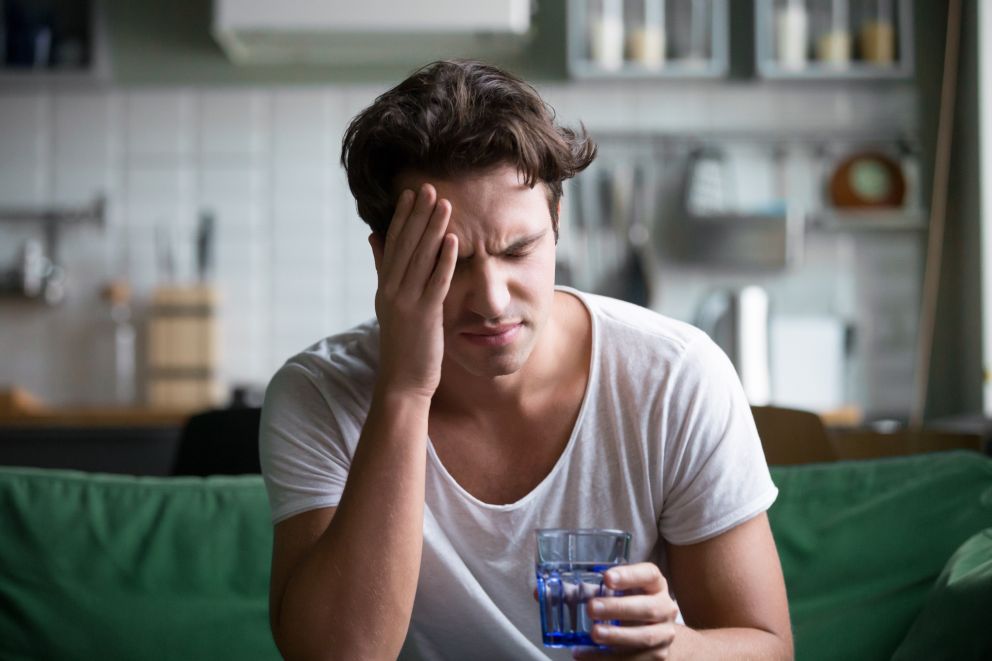
Alcohol has diuretic properties, which means that even small amounts can lead to dehydration and electrolyte imbalances. Rehydrating with plenty of fluids and focusing on electrolytes helps support proper fluid balance and may reduce the unpleasant aftereffects of alcohol consumption.
Does alcohol dehydrate you? Yes, alcohol has a diuretic effect, which means that consuming alcohol increases urine production and leads to fluid loss and dehydration.
Let’s look at why alcohol dehydrates you and discover how prioritizing electrolyte-rich foods can help minimize alcohol-induced dehydration.
How does alcohol dehydrate you?
Alcohol affects various physiological functions and interferes with urine production, fluid regulation, and electrolyte balance, all of which are crucial for maintaining proper hydration.
While it’s well known that drinking too much alcohol can cause a hangover, even moderate alcohol consumption can lead to dehydration and electrolyte imbalance.
Research published in Psychopharmacology found that alcohol suppresses the release of vasopressin, an antidiuretic hormone that regulates kidney function and urine production.
“Low vasopressin levels signal the kidneys to excrete more water, which causes fluid loss,” says Dr. Berg. “This explains why drinking alcohol can lead to excessive urination and dehydration.”
In addition, increased urination can cause the loss of electrolytes, especially potassium and sodium, which are crucial for maintaining the body’s fluid balance.
Electrolyte imbalance can exacerbate dehydration and worsen the unpleasant aftereffects of drinking alcohol, including headaches, low energy, muscle aches, and poor sleep.
Watch the video below to discover how to get rid of a hangover instantly.
Symptoms of dehydration
Dehydration occurs when fluid loss exceeds fluid intake.
While mild dehydration isn’t anything to worry about and can quickly be remedied by drinking water, moderate or severe dehydration can impair critical physiological functions.
Here are common symptoms of dehydration:
- Increased thirst
- Dry mouth
- Dark colored urine
- Muscle aches
- Dry skin
- Fatigue
- Dizziness
- Headaches
Occasional alcohol-related dehydration tends to manifest in symptoms commonly known as a hangover and can typically be managed without medical attention.
However, chronic alcohol abuse, certain kidney diseases, gastrointestinal conditions, or intense exercise, especially in hot and humid climates, can lead to significant dehydration, which can be life-threatening.
If you develop symptoms such as very dark urine, a rapid heartbeat, mental confusion, or sunken eyes, you may have developed severe dehydration, and it’s crucial to seek medical attention immediately.
How to rehydrate after alcohol consumption
Rehydrating after consuming alcohol helps alleviate dehydration and can reduce the likelihood of a hangover.
While drinking plenty of water is crucial to compensate for the fluid loss caused by alcohol, water alone won’t sufficiently hydrate you.
Electrolytes, especially potassium and sodium, play a critical role in fluid balance and facilitate the movement of water into cells and tissues.
Without replenishing electrolytes, the body won’t be able to utilize the water you consume, leaving you dehydrated despite drinking plenty of fluids.
Sodium is an electrolyte mineral found in many foods, and most people obtain adequate amounts from table salt.
Potassium, on the other hand, is found in beetroot tops, leafy green vegetables, avocados, and salmon, and many individuals don’t consume enough potassium-rich foods to promote healthy levels, especially after a night of drinking.
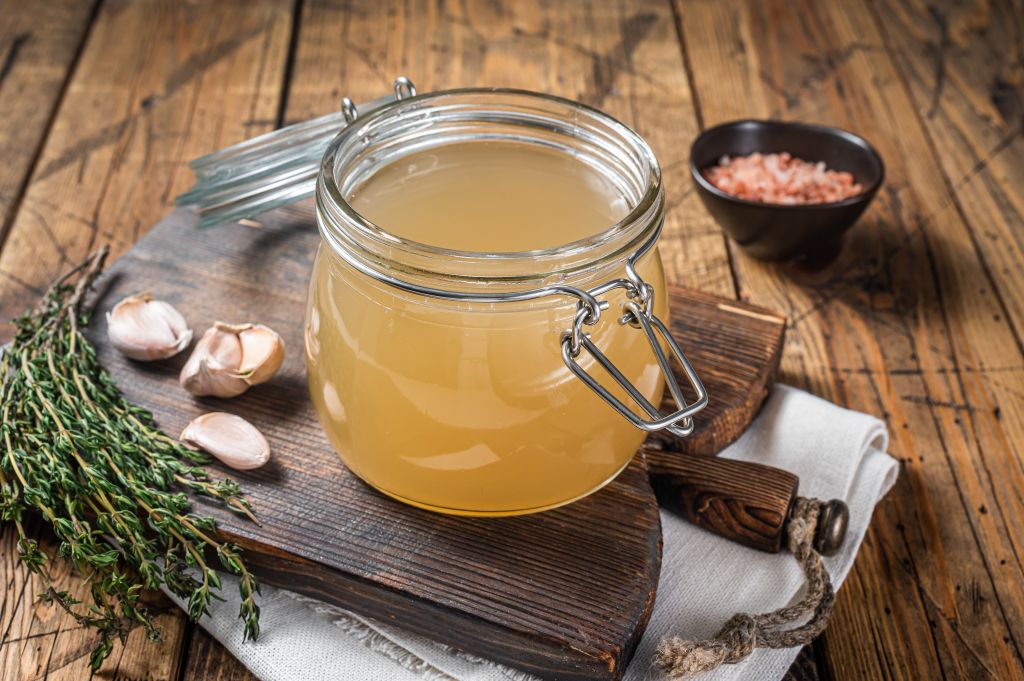
Getting the right sodium-to-potassium ratio from dietary sources is crucial, and incorporating bone broth or a homemade electrolyte drink is an excellent strategy to support balanced electrolyte levels.

How to prevent alcohol-related dehydration
Although alcohol has no health benefits, many people enjoy drinking beer, wine, or other alcoholic beverages, and there are several ways you can minimize or avoid alcohol dehydration.
Here are four ways to prevent alcohol-related dehydration.
1. Eat before drinking
Consuming alcohol on an empty stomach causes rapid intestinal alcohol absorption, amplifying the dehydrating effects of alcohol.
Consuming a meal containing plenty of healthy fats before drinking buffers alcohol absorption and allows more time to process and detoxify alcohol, which can help prevent dehydration.
2. Don’t drink during a workout
Not only does drinking alcohol while exercising increase the risk of injury, but it also can exacerbate dehydration related to physical activity.
Exercise causes fluid loss, and combining it with alcohol increases the risk of dehydration, which is detrimental to muscle tissue and can slow down recovery.
3. Drink responsibly
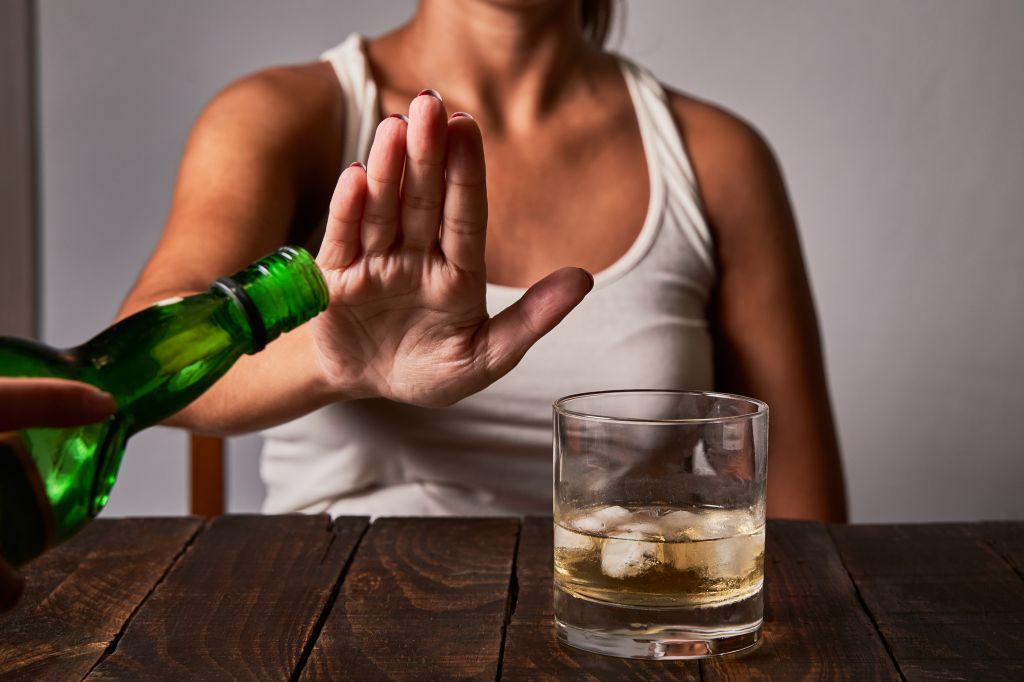
Heavy drinking will cause dehydration, no matter what preventative strategies you are using.
Data published by the Centers for Disease Control and Prevention (CDC) recommends that men don’t exceed two alcoholic drinks in a day and that women limit alcoholic beverages to one drink or less.
The report summarizes, “The less alcohol you drink, the lower your risk for these health effects, including several types of cancer.”
Know your limits and listen to your body. If you notice a dry mouth or other signs of dehydration, stop drinking alcohol and prioritize hydration.
Replenish fluids and minimize alcohol dehydration symptoms by drinking at least one glass of water for each alcoholic drink you consume.
4. Avoid alcohol on hot days
While it can be tempting to consume alcohol on a hot summer day, the combination of high temperatures and alcohol can cause considerable fluid loss and dehydration.
Alcohol interferes with the brain’s ability to control body temperature. If you drink alcohol on a hot day, your body won’t be able to adjust and maintain your internal temperature effectively, which increases the risk of heat stroke.
Key takeaways
- Alcohol suppresses the release of vasopressin, which causes increased urination and fluid loss.
- Alcohol-related dehydration can trigger symptoms such as headaches, fatigue, and dry mouth.
- Optimal rehydration requires both fluids and electrolytes, especially potassium and sodium.
- Incorporating bone broth or making a homemade electrolyte drink is an excellent strategy to restore hydration and balanced electrolyte levels.
- Eating before drinking and alternating alcohol with water can help reduce the risk of dehydration and may minimize hangover symptoms.
FAQ
- 1. How much alcohol does it take to dehydrate you?
- 2. Which alcohol is most dehydrating?
- 3. What are the symptoms of dehydration from alcohol?
- 4. How do you rehydrate after drinking alcohol?
- 5. How long does it take to rehydrate your body after drinking alcohol?
- 6. How do you prevent alcohol dehydration?
- 7. Why do I feel weird for several days after drinking?
- 8. Does rehydration help reduce hangovers?
- 9. How much water does it take to rehydrate?
Sources
- https://pmc.ncbi.nlm.nih.gov/articles/PMC6286152/
- https://www.cdc.gov/alcohol/about-alcohol-use/index.html
Related Articles
-
How Long to Get Back into Ketosis after Drinking Alcohol?
 Diet
DietHow Long to Get Back into Ketosis after Drinking Alcohol?
At a glance Alcohol can interfere with ketosis, even if it’s low in carbs. The liver prioritizes ethanol detoxification over ketone production, which can quickly stop fat-burning. Getting back into…04/09/2025 19.6k views -
Can You Drink Wine on Keto? Alcohol and Ketosis
 Diet
DietCan You Drink Wine on Keto? Alcohol and Ketosis
At a glance Wine is high in carbohydrates, which can disrupt the ketosis process. Although low-carb alcoholic beverages exist, they still contain ethanol, which impairs liver function and diverts resources…04/08/2025 7.5k views


