

At a glance
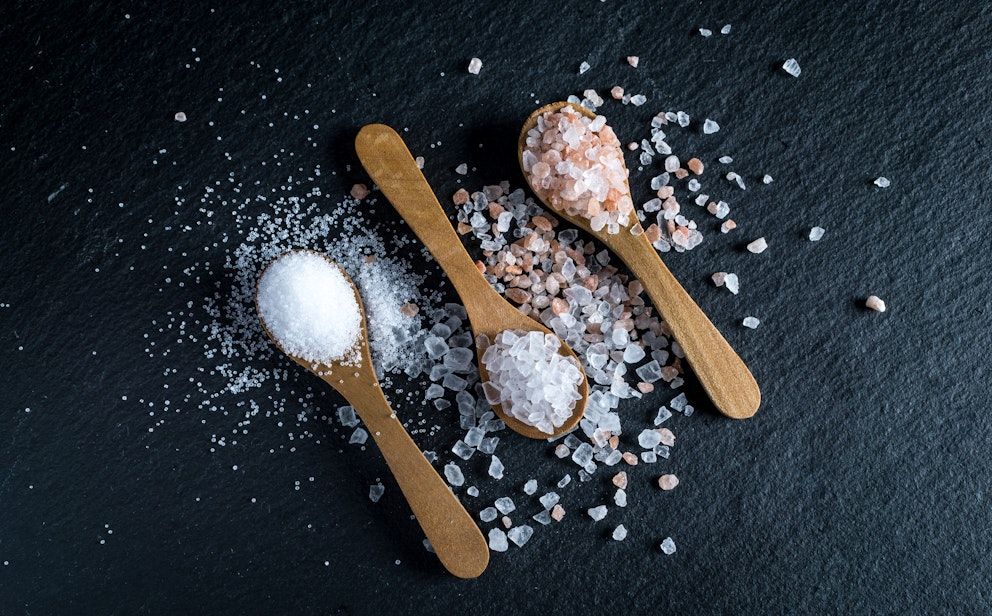
Himalayan pink salt and sea salt both provide minerals that support health. However, Himalayan salt is sourced from ancient deposits, while sea salt is obtained from modern ocean sources. Because Himalayan pink salt contains fewer contaminants, undergoes minimal processing, and retains more minerals, it’s a more nutrient-dense option than sea or table salt.
Himalayan pink salt vs. sea salt—what’s the difference?
Both sea salt and Himalayan pink salt contain sodium chloride and are good sources of essential minerals. However, many sea salts are mined from evaporated seawater deposits contaminated with microplastics.
Let’s examine the differences between Himalayan pink salt and sea salt and why it is best to avoid regular table salt.
What’s the difference between Himalayan pink salt and sea salt?
Himalayan pink salt and sea salt are crystalline minerals composed of sodium, chloride, and essential minerals, including potassium, zinc, manganese, iodine, and copper. However, their origin, taste, and purity differ significantly.
Himalayan pink salt is hand-mined in Pakistan’s Khewra salt mine, an ancient sea salt deposit formed around 200 million years ago.
Himalayan salt undergoes minimal processing, which helps retain its dense mineral concentrations, including iron oxide, which is responsible for its unique pink color.
Sea salt, on the other hand, is harvested from salt residues deposited by evaporated seawater.
Sea salt deposits can be found in various locations worldwide, resulting in a wide range of different sea salt with distinct characteristics. Depending on where it has been harvested, sea salts can vary in terms of mineral composition, flavor, and texture.
Watch the video below to discover the difference between Himalayan pink salt and sea salt.
Himalayan pink salt vs. sea salt – which is better?
Sea salt is formed through the evaporation of saltwater lakes or ocean waters. Unfortunately, persistent pollution of the oceans with microplastics resulted in the contamination of many salt deposits.
Evidence published in Scientific Reports found that a large number of sea salts contain microplastics, tiny particles of plastic that come from the breakdown of larger plastic items, microbeads in personal care products, synthetic fibers from textiles, and industrial pollution.1
Microplastics undergo slow degradation over extended periods. This, combined with the persistent plastic pollution globally, results in ongoing contamination of the world’s oceans.
Frequent ingestion of microplastic-containing salts has been linked to various adverse health effects.
A study published in The Science of Total Environment found that microplastics have potentially harmful consequences, such as triggering oxidative stress and inflammation, altering cellular behavior, disrupting immune functions, and may be linked to neurotoxicity.2
In contrast, Himalayan pink salt is derived from salt deposits that formed long before oceans and seawaters were contaminated with pollutants, making it a microplastic-free source of sodium chloride and essential trace minerals.
Four reasons to use Himalayan salt instead of table salt
While too much salt can lead to high blood pressure and kidney disease, low salt intake can increase your risk of heart attacks and electrolyte imbalances and may disrupt nerve and muscle functioning.
“To get a good balance of sodium chloride and essential minerals, I recommend between one to two teaspoons of salt per day,” explains Dr. Berg. “ However, the quality of the salt is crucial, and it’s best to use uncontaminated and mineral-rich Himalayan pink salt instead of heavily processed table salt or sea salt.”
Here are four reasons you should use Himalayan salt instead of table salt!
1. Higher mineral content
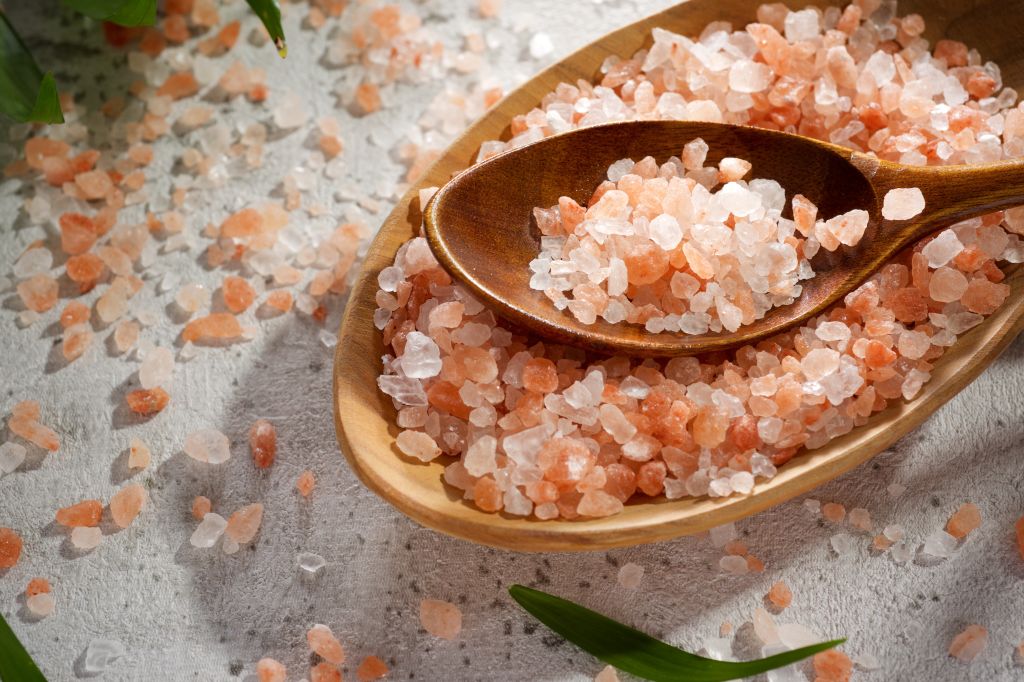
In contrast to regular table salt, Himalayan pink salt contains significantly higher concentrations of health-promoting trace minerals.
Himalayan salt contains seven essential nutrients:
These minerals have several health benefits, such as supporting cellular functions and enzymatic reactions, promoting hormonal balance, and aiding nutrient absorption.
2. Minimally processed
Table salt typically undergoes extensive processing and refining to remove impurities, resulting in the loss of trace minerals.
In addition, most table salts contain anti-caking agents, including sodium aluminum silicate, to prevent clumping.
While the Food and Drug Administration (FDA) has declared sodium aluminum silicate safe, evidence published in Emergency Medicine International suggests that prolonged aluminum ingestion may have neurotoxic effects and has been linked to the development of Alzheimer’s disease.3
3. Free of environmental pollutants
Many types of table salt are derived from sea salt and may be contaminated with microplastics.
In contrast to regular table salt, Himalayan sea salt doesn’t contain microplastics or other environmental pollutants such as heavy metals.
4. Flavor and Taste
Himalayan salt has a milder and less salty flavor than table salt, making it an ideal choice for individuals trying to reduce their overall salt intake to normalize high blood pressure.
How to use Himalayan salt on keto
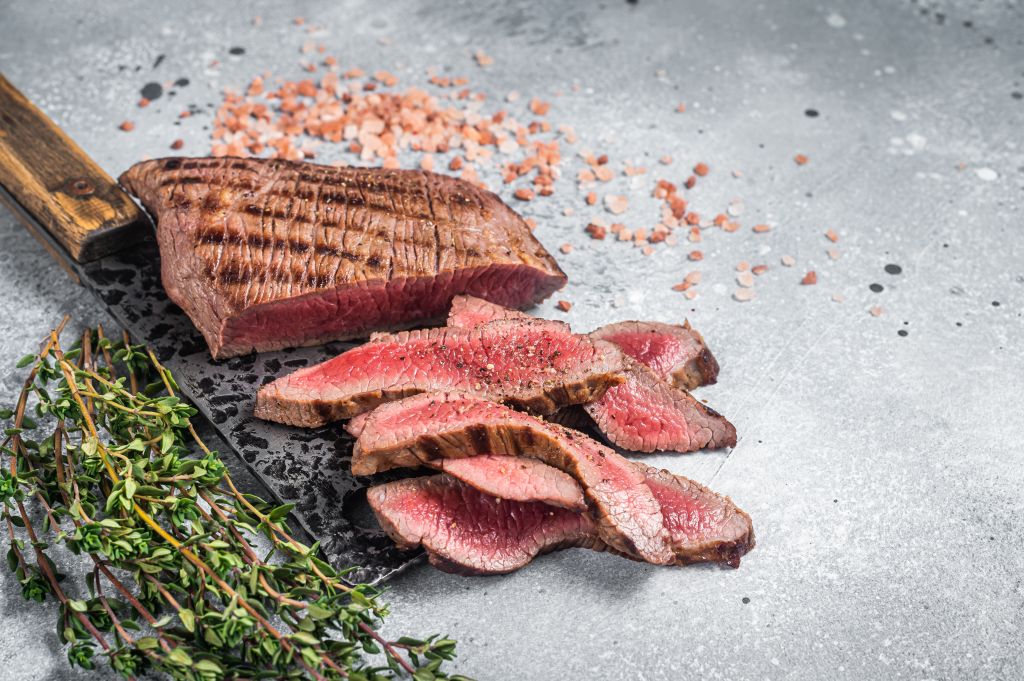
You can use Himalayan salt like any other salt on keto. It’s an excellent seasoning that enhances the flavor of many keto-friendly meals, including meats, vegetables, salads, soups, and stews.
Because of its high mineral content, Himalayan salt can also promote electrolyte balance.
The ketogenic diet, especially during the early phases of keto-adaptation, can cause electrolyte imbalances. Adding one to two teaspoons of Himalayan salt to your water throughout the day replenishes electrolytes and can help overcome keto-flu symptoms.
Key takeaways
- Himalayan salt is a rich source of minerals and doesn’t contain potentially harmful additives and contaminants, making it an excellent alternative to sea salt or table salt, which is often contaminated.
- Using Himalayan pink salt helps replenish electrolytes and trace minerals, offering advantages for individuals seeking to manage their blood pressure and reduce sodium intake.
FAQ
- 1. What is the healthiest salt to use?
- 2. What is the worst type of salt to use?
- 3. Can I use Himalayan salt instead of sea salt?
- 4. Can I use pink salt to clean my piercing?
- 5. Which is better, Himalayan salt or sea salt?
- 6. Why is Himalayan sea salt better for you than regular salt?
- 7. Is pink Himalayan salt the same as sea salt?
- 8. Is Himalayan salt better than sea salt for blood pressure?
- 9. Which is better for your health, Himalayan or sea salt?
- 10. Does sea salt contain microplastics?
- 11. Does Himalayan salt contain microplastics?
- 12. Do sea salt and Himalayan salt taste different?
- 13. Is Himalayan salt better than sea salt for cooking?
Sources
- https://www.nature.com/articles/srep46173 ↩︎
- https://www.sciencedirect.com/science/article/abs/pii/S0048969719344468 ↩︎
- https://pmc.ncbi.nlm.nih.gov/articles/PMC8767391/ ↩︎
Related Articles
-
What Is Potassium Good For? Uses and Benefits
 Deficiencies
What Is Potassium Good For? Uses and Benefits
At a glance Potassium is an essential mineral and electrolyte that supports nerve function, muscle contraction, heart function, and fluid balance. It also helps counter sodium’s effect on blood pressure.…10/14/2026 -
Why You Crave Salt: 7 Causes
 Minerals
Why You Crave Salt: 7 Causes
At a glance Sodium is essential for supporting healthy nerve function, muscle contractions, and fluid balance. When sodium levels are imbalanced due to dietary, lifestyle, or other personal factors, it…06/11/2026 -
Powder vs. Capsule Electrolyte Supplements
 Supplements
Powder vs. Capsule Electrolyte Supplements
At a glance Electrolytes are essential minerals that support fluid balance, nerve and muscle function, and energy production. Electrolyte powders may be more efficient at supporting optimal mineral levels, while…05/14/2026 -
Muscle Twitching on Keto: Causes and What to Do
 Diet
DietMuscle Twitching on Keto: Causes and What to Do
At a glance Muscle twitching is common when first starting keto and is often linked to shifts in fluid balance, electrolyte minerals, and digestive function as insulin levels remain steady.…03/19/2026 22.3k views -
Electrolyte Supplements: Forms and How to Choose
 Minerals
Electrolyte Supplements: Forms and How to Choose
At a glance Electrolytes are essential minerals that support fluid balance, nerve signaling, and muscle function. Electrolyte supplements are available in several forms, and choosing a balanced formula optimized for…03/06/2026 -
Why Do I Crave Salt at Night? Sodium Deficiency Explained
 Nutrition
Why Do I Crave Salt at Night? Sodium Deficiency Explained
At a glance Craving salt at night may signal an underlying sodium deficiency or electrolyte imbalance, often linked to stress, poor hydration, or low sodium intake. Sodium plays a critical…03/06/2026 5.3k views -
The Sodium Myth: What You Should Know About Salt Intake
 Nutrition
The Sodium Myth: What You Should Know About Salt Intake
At a glance Sodium plays a key role in fluid balance, nerve signaling, and muscle function, and its role in health is often misunderstood. Common sodium myths make intake confusing,…01/16/2026 19.3k views -
Is Your Sodium-Potassium Ratio Off? Why It Matters
 Nutrition
Is Your Sodium-Potassium Ratio Off? Why It Matters
At a glance Maintaining a healthy sodium-potassium ratio is crucial for supporting normal blood pressure, fluid balance, and muscle and nerve function. Most people consume far more sodium than potassium,…04/09/2025 17.6k views -
Electrolyte Powder: Benefits, How to Use, and Signs of Imbalance
 Nutrition
Electrolyte Powder: Benefits, How to Use, and Signs of Imbalance
At a glance Electrolytes are essential minerals that regulate hydration, muscle and nerve function, and cellular energy. Diet, stress, and lifestyle factors can deplete these minerals, leading to fatigue and…04/08/2025 18.1k views -
Celtic Salt: Benefits You Can’t Ignore
 Health concerns
Celtic Salt: Benefits You Can’t Ignore
At a glance Celtic salt is a mineral-rich sea salt valued for its natural trace elements and lower processing compared to regular table salt. When used in moderation, it may…04/08/2025 17.6k views


