

At a glance
Bile is a digestive fluid made by the liver and stored in the gallbladder that helps the body break down fats and absorb fat-soluble nutrients. It also supports liver health and gut function by aiding detoxification and maintaining a healthy microbial environment. Promoting bile flow naturally can be achieved by eating bitter greens, staying hydrated, prioritizing foods rich in choline, and incorporating healthy fats into meals.
Maintaining optimal bile flow plays a critical role in digestion as it aids in breaking down fats and absorbing key nutrients your body needs to function effectively.
If you’re experiencing bloating, indigestion, or sluggish digestion, you may benefit from learning how to increase bile naturally.
Explore five effective strategies to naturally support bile production through simple dietary and lifestyle changes.
What is bile?
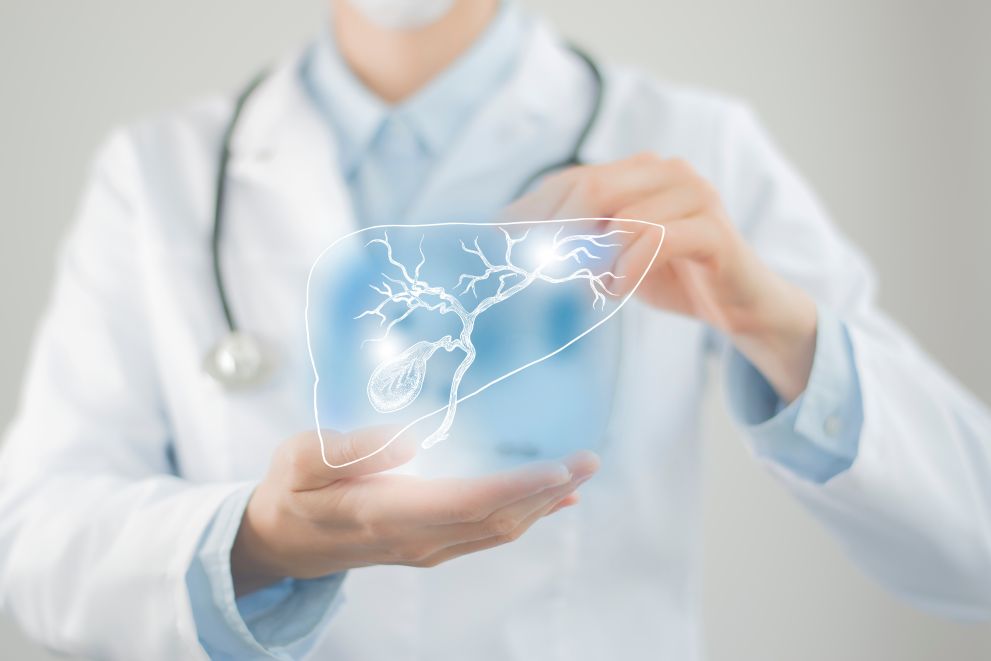
Bile is a yellow-green fluid produced by the liver and stored in the gallbladder.
“Understanding Cholesterol Levels and Numbers | Dr. Berg.” Dr. Berg. https://www.drberg.com/blog/how-to-read-and-understand-cholesterol-numbers
Bile plays a vital role in the digestive tract by breaking down fats into smaller components called fatty acids, which your body can absorb and use for energy. In addition, bile is critical for the absorption of fat-soluble nutrients.
The gallbladder stores and concentrates bile, then releases it through the bile ducts into the small intestine in response to dietary fat intake, where it facilitates the emulsification and absorption of lipids.
This process is essential not only for optimal nutrient absorption but also for overall digestive health.
Bile flow helps lubricate the colon, supports the elimination of toxins, inhibits the growth of harmful bacteria in the gut, and prevents the accumulation of excess fat in the liver and digestive tract.
Adequate bile production and flow are crucial for efficient digestion and can help reduce symptoms such as bloating, indigestion, and greasy or floating stools.
Watch the video below to learn effective ways to increase bile salts naturally.
What causes low bile production?
Low bile production is often linked to impaired liver function, as the liver is the primary organ responsible for producing bile.
When the liver becomes sluggish or congested—often due to a diet high in processed foods, refined sugars, or excessive alcohol intake—bile output can decrease, leading to compromised digestion and nutrient absorption.
“Top Causes of Inflammation and Natural Remedies | Dr. Berg.” Dr. Berg. https://www.drberg.com/blog/the-top-13-causes-of-inflammation-and-how-to-treat-it-naturally
“Eating 4 Eggs a Day: Surprising Health Benefits | Dr. Berg.” Dr. Berg. https://www.drberg.com/blog/why-i-eat-4-eggs-daily-and-why-you-should-too
Over time, low bile output may lead to fat malabsorption, poor digestive health, and nutrient deficiencies.
Additionally, research published in Frontiers in Pharmacology found that high levels of estrogen may interfere with normal bile flow, leading to a buildup of harmful bile acids in the liver.1
This condition, known as estrogen-induced cholestasis (EIC), is particularly common during pregnancy or among women using birth control pills or hormone replacement therapy.

Signs of bile deficiency
A deficiency in bile production can cause subtle symptoms that are frequently overlooked or mistaken for other digestive disorders.
Early recognition of these signs is crucial, as it allows you to take proactive measures to enhance bile flow and improve overall digestive health.
Here are five common symptoms indicative of poor bile flow.
1. Digestive issues
“Abdominal Gas and Bloating: Causes and Remedies | Dr. Berg.” Dr. Berg. https://www.drberg.com/blog/abdominal-gas-and-bloating-do-this-now
Furthermore, a study published in Current Opinion in Gastroenterology found that “reduced bile acid levels in the gut are associated with bacterial overgrowth and inflammation.”2
“How to Increase Gut Bacteria Diversity | Dr. Berg.” Dr. Berg. https://www.drberg.com/blog/increase-gut-bacteria-diversity-heres-how
2. Abnormal stool
Insufficient bile production prevents your digestive system from fully breaking down and absorbing fats.
“What Causes Pale Colored Stool? | Dr. Berg.” Dr. Berg. https://www.drberg.com/blog/what-does-pale-colored-stool-mean
3. Gallstones and bile sludge
“Gallstones Self-Care: Complete Wellness Guide | Dr. Berg.” Dr. Berg. https://www.drberg.com/blog/how-to-dissolve-gallstones
Healthy bile flow inhibits the formation of bile sludge and significantly reduces the risk of gallstone formation and associated health issues.
4. Poor liver function
“Bile Deficiency Symptoms: Powerful Signs & Causes | Dr. Berg.” Dr. Berg. https://www.drberg.com/blog/how-to-know-if-you-have-bile-deficiency
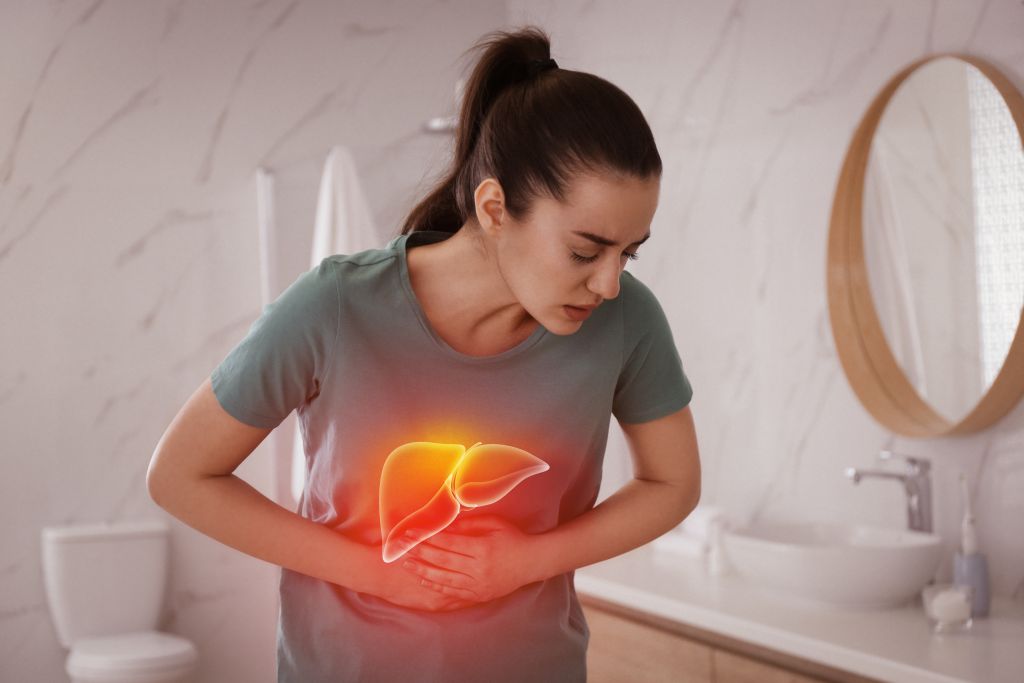
As fat accumulates in the liver, its ability to produce bile diminishes, leading to impaired digestion and further liver dysfunction.
“Chronic inflammation can potentially cause damage to the bile ducts, making it difficult for bile to flow through the ducts,” explains Dr. Berg. “When bile becomes trapped within the liver due to damage or blockages, it can contribute to the development of cirrhosis and, over time, even lead to liver failure.”
5. Jaundice
“6 Tips for Living Without a Gallbladder | Dr. Berg.” Dr. Berg. https://www.drberg.com/blog/what-you-must-know-if-you-dont-have-a-gallbladder
When bile cannot pass through the ducts efficiently, bilirubin accumulates in the bloodstream and tissues, leading to jaundice, characterized by yellowing of the skin and the whites of the eyes.
How to increase bile naturally
When bile flow is sluggish, your digestive system may have difficulty breaking down and absorbing nutrients from food.
Fortunately, there are several natural strategies to promote healthy bile flow, many of which can be easily incorporated into your daily lifestyle.
Here are five steps you can take to promote healthy bile flow.
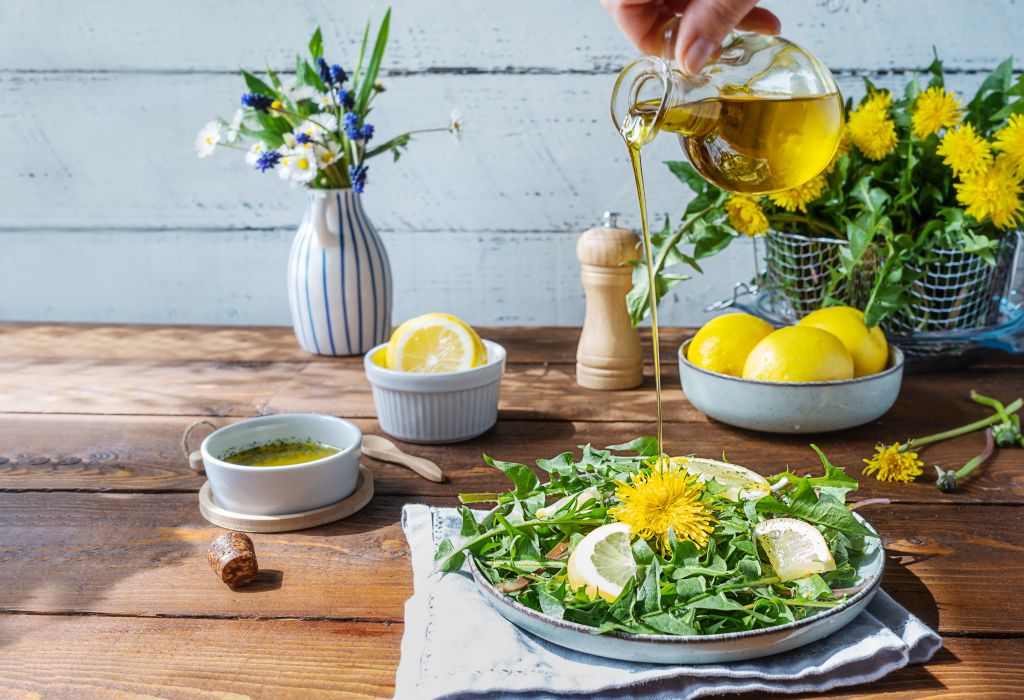
1. Add bitter greens to your diet
Bitter foods stimulate bile production as they activate specific taste receptors in the mouth and digestive tract, triggering a reflex that signals the liver and gallbladder to release bile.
“Benefits of Arugula That Transform Your Health | Dr. Berg.” Dr. Berg. https://www.drberg.com/blog/amazing-arugula-6-benefits
2. Prioritize choline-rich foods
Choline is an essential nutrient that plays a crucial role in the production and proper flow of bile, which is vital for digestive health and gallbladder function.
Some of the best sources of choline include eggs, liver, beef, chicken, fish, and cruciferous vegetables like broccoli, Brussels sprouts, and cauliflower.
3. Stay hydrated
Adequate water intake is essential for maintaining bile fluidity and ensuring its smooth flow through the bile ducts. Chronic dehydration can thicken bile, impair digestion, and elevate the risk of gallstone formation.
4. Include healthy fats
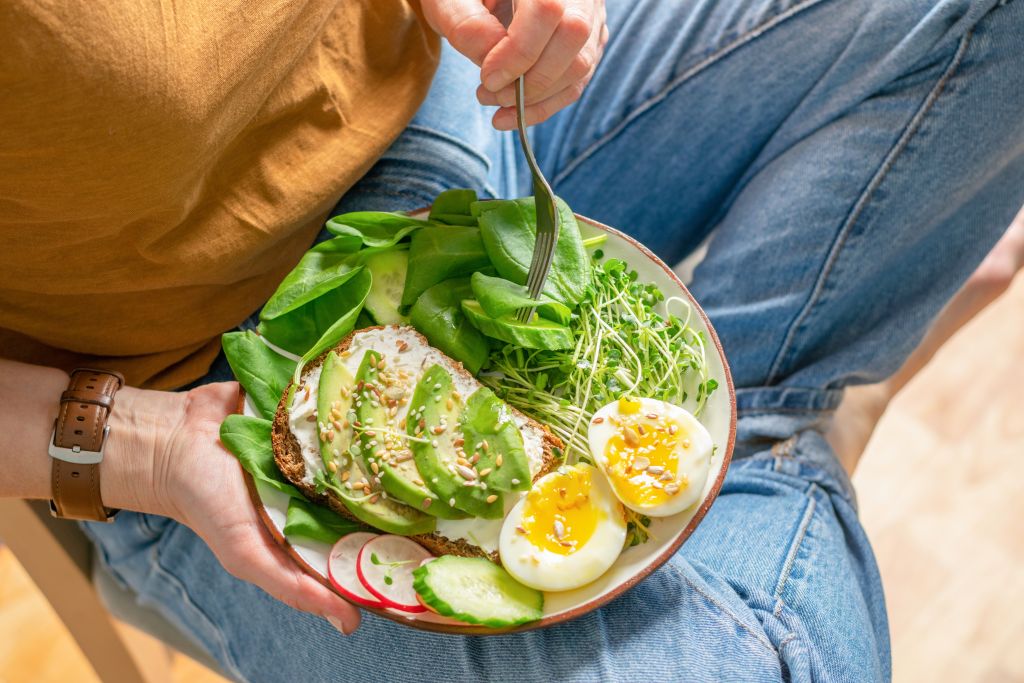
Incorporating healthy fats, such as olive oil, avocados, nuts, and seeds, is crucial for bile flow.
Fatty acids signal the gallbladder to release stored bile, which encourages regular bile movement and supports fat digestion.
5. Avoid highly processed foods
Processed foods high in sugar, trans fats, and synthetic additives can strain liver functions and hinder bile function.
Prioritizing whole, nutrient-dense foods helps protect liver function and supports optimal digestion and long-term gut health.
Key takeaways
- Bile is a yellow-green digestive fluid made by the liver and stored in the gallbladder that helps break down fats, absorb fat-soluble nutrients, and support overall digestive health.
- Low bile production can result from poor liver function, gallbladder issues, nutrient deficiencies, or high estrogen levels, leading to symptoms such as bloating, greasy stools, or liver discomfort.
- Promoting bile flow naturally can be achieved by eating bitter greens, staying hydrated, consuming choline-rich foods, and including healthy fats in your diet.
FAQ
- 1. How can I increase bile naturally?
- 2. What are the symptoms of a lack of bile?
- 3. What should I eat if my bile is low?
- 4. What can I drink to increase bile?
- 5. Can not having a gallbladder decrease bile?
Sources
- https://pmc.ncbi.nlm.nih.gov/articles/PMC8606790/ ↩︎
- https://pmc.ncbi.nlm.nih.gov/articles/PMC4215539/ ↩︎
Related Articles
-
What Causes Pale Colored Stool?
 Health concerns
What Causes Pale Colored Stool?
At a glance Pale-colored stool can be linked to low bile flow, low-fat diets, alcohol use, infections, or underlying liver, gallbladder, or pancreatic issues. Supporting gallbladder function through a nutritious…02/26/2026 14.9k views -
Benefits of Fasting for SIBO
 Fasting
Benefits of Fasting for SIBO
At a glance SIBO occurs when excess bacteria disrupt digestion and nutrient absorption in the small intestine. Fasting may help reduce bacterial overgrowth by limiting fermentable fuel sources and improving…02/13/2026 17.6k views -
The Connection Between Vitamin D and Gallbladder Health
 Health concerns
The Connection Between Vitamin D and Gallbladder Health
At a glance Vitamin D and gallbladder health are closely connected, as adequate bile flow is essential for the absorption of vitamin D. At the same time, low vitamin D…01/29/2026 10.7k views -
Fibromyalgia: Symptoms, Causes, and Remedies
 Health concerns
Fibromyalgia: Symptoms, Causes, and Remedies
At a glance Fibromyalgia is marked by heightened sensitivity within the central nervous system, causing pain signals to feel stronger and more widespread without visible tissue damage. This sensitivity contributes…01/08/2026 21.2k views -
What Is a Gallbladder Flush, and Is It Safe?
 Health concerns
What Is a Gallbladder Flush, and Is It Safe?
At a glance Gallbladder flushes are promoted as natural methods to clear gallstones and thick bile, but they can trigger significant digestive distress and may impair normal gallbladder function. Emphasizing…11/20/2025 18.3k views -
Gallbladder Health: Everything You Need to Know
 Health concerns
Gallbladder Health: Everything You Need to Know
At a glance The gallbladder plays a crucial role in digestion by storing and concentrating bile, which facilitates the breakdown of dietary fats. When bile becomes thick or doesn’t flow…11/06/2025 114.1k views -
How to Reset Your Gut Naturally
 Health concerns
How to Reset Your Gut Naturally
At a glance A natural gut reset involves restoring digestive balance through beneficial dietary and lifestyle changes. Supporting the gut microbiome, strengthening the intestinal lining, optimizing bile flow, and maintaining…09/25/2025 -
What You Should Know If You Don’t Have a Gallbladder
 Health concerns
What You Should Know If You Don’t Have a Gallbladder
At a glance Living without a gallbladder is entirely possible, especially with beneficial changes to support healthy digestion. Because bile is no longer released in concentrated amounts, the body may…04/09/2025 28.3k views -
What Dissolves Gallbladder Stones Fast?
 Health concerns
What Dissolves Gallbladder Stones Fast?
At a glance Gallstones form when bile becomes thick or sluggish, often due to poor diet, hormonal imbalances, or liver congestion. Supporting healthy bile flow through diet and natural remedies…04/09/2025 65.3k views -
Can I Do a Ketogenic Diet without a Gallbladder?
 Diet
DietCan I Do a Ketogenic Diet without a Gallbladder?
At a glance While the gallbladder plays a key role in the digestion of dietary fats, gallbladder removal doesn’t mean the keto diet is off-limits. By making gradual adjustments to…04/09/2025 55k views


