

At a glance
The benefits of moringa come from its rich supply of vitamins, minerals, amino acids, and antioxidants. From promoting metabolic and digestive balance to nourishing the skin and immune system, moringa can be a natural way to support health and vitality.
Moringa, often referred to as the miracle tree, ben oil tree, or drumstick tree, is a rich source of essential nutrients and various health-promoting antioxidants.
This superfood has been used for centuries in traditional medicine to boost energy levels, support immune functions, and promote overall health and well-being.
Discover seven impressive health benefits of moringa and find out how to use this natural remedy safely and effectively.
What is moringa?
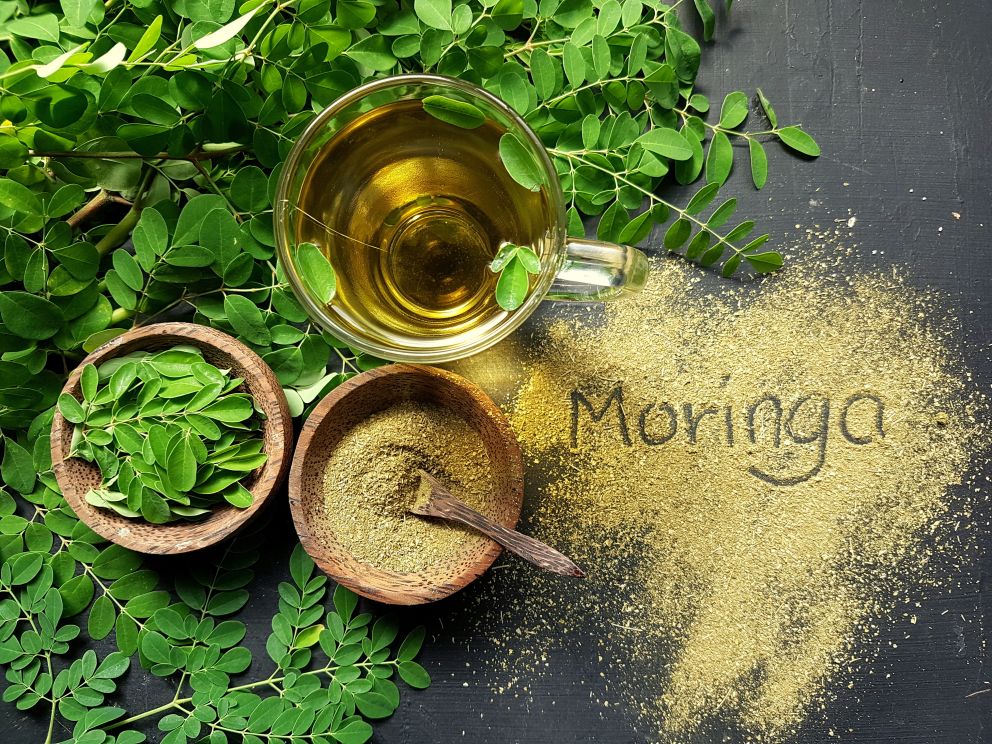
Moringa oleifera is a nutrient-dense plant valued for its medicinal and culinary uses.
The leaves are often dried and ground into moringa leaf powder, offering a concentrated source of essential nutrients and beneficial plant compounds.
These compounds, such as alkaloids, flavonoids, terpenes, and fatty acids, are being studied for their potential roles in supporting the body’s antioxidant defenses and maintaining a healthy inflammatory balance.
Research published in the National Institute of Diabetes and Digestive and Kidney Diseases highlights, “Moringa is available as dietary supplements in multiple forms, including capsules, powders, and solutions, typically in concentrations ranging from 100 milligrams (mg) to one gram.”1
The recommended daily intake of moringa can vary, with suggested doses ranging between 500 mg and 6 grams depending on the formulation and specific health goals.
Watch the video below to discover the impressive health benefits of moringa.
7 Benefits of moringa
Praised for its exceptional nutrient density, moringa has earned a reputation as a natural powerhouse in plant-based nutrition.
Here are seven potential health benefits of adding moringa to your routine.
1. Support blood sugar balance
Moringa seed extract and moringa leaves have been studied for their potential to support balanced blood glucose levels.
According to research published in Frontiers in Pharmacology, consuming approximately 20 grams of moringa powder daily for at least two weeks may help enhance post-meal glucose regulation.2
Additional findings indicate that moringa oleifera leaf extract may support insulin function, which plays a critical role in maintaining metabolic balance and a healthy body weight.
2. Promotes heart health
In addition to its suggested benefits for blood sugar balance, moringa has shown potential to support heart health through its antioxidant activity and its ability to support the body’s cell-protective responses.
These properties are attributed to its rich content of bioactive compounds, including flavonoids, phenolic acids, tannins, alkaloids, and glycosides.
These plant-based compounds are being studied for their potential to counter oxidative stress and support a balanced inflammatory response, which are factors often explored in cardiovascular research.
Moringa is also being investigated for its role in supporting heart function, including its influence on cardiac contractility, or the heart’s ability to pump blood effectively.
3. Rich in antioxidants
Research published in Foods highlights moringa’s notable antioxidant activity, suggesting its potential as a valuable botanical component in antioxidant-focused formulations.3
One contributing factor is moringa’s rich concentration of phenolic compounds, particularly flavonoids like quercetin and kaempferol. These antioxidants may interact with free radicals and support the body’s natural defense against oxidative stress.

4. Promotes healthy skin
Moringa has exhibited notable benefits for skin health, particularly in reducing signs of aging.
This has been confirmed by a study published in Advances in Dermatology and Allergology, which found that a moringa-based cream helped enhance skin volume and skin barrier integrity.4
It also positively affected several key indicators of skin condition, including improving texture and promoting a smoother appearance.
In addition to these findings, moringa is a natural source of antioxidants, including vitamins C and E, which are often explored for their potential to support skin health against environmental stress.
Its antimicrobial and anti-inflammatory properties may also support skin recovery, soothe irritation, and contribute to a healthier-looking complexion.
5. Supports healthy nutrient status
Beyond its topical uses, the moringa plant is recognized for its impressive nutrient profile.
It contains vitamin C, beta-carotene, iron, and calcium, which help strengthen the immune system, support skeletal integrity, promote eye health, and aid in the body’s energy production processes.
Moreover, moringa is one of the best sources of protein and offers all nine essential amino acids, making it a beneficial choice for vegetarians and vegans.
With its impressive nutritional profile, adding moringa oleifera seed extract, oil, or powder to your routine may support overall nutritional intake, particularly essential vitamins, minerals, and plant-based proteins.

6. May improve digestive health
Moringa tree leaves have long been used as a natural remedy for various digestive issues and discomfort.
“Moringa may support digestive health by encouraging the growth of beneficial gut bacteria,” explains Dr. Berg. “This has been attributed to its natural prebiotic content, which nourishes and promotes healthy gut flora.”
Additionally, moringa leaves are a good source of dietary fiber, which is often associated with promoting regular bowel movements and supporting digestive health.
7. Supports weight loss
Moringa may help support healthy body weight management and metabolic function through its unique plant compounds and nutrient profile.
One of its key bioactive components, moringa isothiocyanate (MICs), is of particular interest for its potential to influence certain processes in the liver related to glucose production, which may support insulin function and fat metabolism.
Additionally, moringa’s high fiber content can help promote satiety, which could contribute to reduced calorie intake.

Possible downsides of moringa
While moringa is generally considered well-tolerated, certain individuals may experience side effects from ingesting moringa, especially in large quantities.
Here are potential downsides of moringa to consider before adding it to your routine.
Gastric irritation
One possible adverse effect of consuming moringa leaf products is gastric irritation.
Moringa contains saponins, a type of glycoside that, in high amounts, may irritate the stomach and intestines, potentially causing digestive discomfort.
Interactions with medication
While moringa has traditionally been used to support blood sugar regulation, it may interact with certain medications, increasing the risk of dangerously low blood sugar levels.
As such, individuals with diabetes or those taking medication for blood sugar management should exercise caution when incorporating moringa into their diet.
Allergies
If you have a known allergy to plants in the Moringaceae family, it’s best to avoid all types of moringa products.
Symptoms of an allergic reaction include itching, hives, swelling, and difficulty breathing, and it’s crucial to seek medical attention immediately if you experience any allergic reaction after ingesting moringa.
Pregnancy precautions
While moringa oleifera leaves are generally considered safe in small amounts, certain parts of the plant, such as the roots and bark, may contain compounds that could stimulate uterine contractions.
Additionally, consuming large quantities of moringa leaves may have a laxative effect, which could be concerning during pregnancy.
For these reasons, pregnant or breastfeeding women should consult a healthcare provider before including moringa in their routine.
Key takeaways
- Moringa is a nutrient-dense plant that contains antioxidants, vitamins, and minerals and offers all nine essential amino acids.
- Benefits of moringa include supporting metabolic health, cardiovascular function, digestive efficiency, nourished skin, and weight management.
- While generally safe, excessive intake can cause digestive irritation or interact with certain medications.
- Pregnant or breastfeeding women should consult a healthcare provider before using moringa.
FAQ
- 1. Is moringa safe to take daily?
- 2. How much moringa should I take?
- 3. Can I take moringa while pregnant or breastfeeding?
- 4. Does moringa help with weight loss?
- 5. Can moringa interact with medications?
Sources
- https://www.ncbi.nlm.nih.gov/books/NBK605172/ ↩︎
- https://pmc.ncbi.nlm.nih.gov/articles/PMC9310029/ ↩︎
- https://pmc.ncbi.nlm.nih.gov/articles/PMC9030530/#sec4-foods-11-01107 ↩︎
- https://pmc.ncbi.nlm.nih.gov/articles/PMC4112252/ ↩︎
Related Articles
-
7 Common Intermittent Fasting Myths Debunked
 Diet
Diet7 Common Intermittent Fasting Myths Debunked
At a glance Intermittent fasting is an increasingly popular dietary pattern that is often misunderstood. Many common concerns surrounding intermittent fasting, including muscle loss, hormonal disruption, and metabolic slowdown, are…09/03/2026 -
Walking After Meals: Why Post-Meal Walks Matter
 Healthy lifestyle
Walking After Meals: Why Post-Meal Walks Matter
At a glance Post-meal habits can influence how the body responds after eating. During this period, digestion, blood sugar balance, insulin activity, and circulation all shift to help the body…08/13/2026 -
What Is Time-Restricted Eating?
 Diet
DietWhat Is Time-Restricted Eating?
At a glance Time-restricted eating is a form of intermittent fasting that limits meals to a consistent daily eating window. This approach focuses on when food is consumed rather than…08/13/2026 -
Ketones vs. Glucose: How Your Body Uses Fuel
 Diet
DietKetones vs. Glucose: How Your Body Uses Fuel
At a glance Ketones and glucose are two fuels the body can use, but they are produced and used under different metabolic conditions. Glucose is closely tied to carbohydrate intake,…08/13/2026 -
Blood Sugar Spikes: What Causes Them and Tips for Balance
 Blood sugar and insulin
Blood Sugar Spikes: What Causes Them and Tips for Balance
At a glance Blood sugar spikes are rapid increases in blood glucose that often happen after eating foods high in sugar or refined carbohydrates. While a temporary rise in blood…07/23/2026 -
What Is the Best Meal Timing for Stable Energy?
 Diet
DietWhat Is the Best Meal Timing for Stable Energy?
At a glance Meal timing can influence daily alertness, hunger cues, and blood sugar patterns. The body processes food according to internal rhythms that affect insulin, digestion, and metabolic activity.…07/17/2026 -
“Sugar-Free” Label Claims: What They Actually Mean
 Food and Drink
“Sugar-Free” Label Claims: What They Actually Mean
At a glance Sugar-free labels are commonly used on packaged foods and beverages to indicate minimal sugar content per serving. However, this claim is based on specific labeling criteria and…07/16/2026 -
Why You Crave Carbs and How to Reduce Cravings
 Nutrition
Why You Crave Carbs and How to Reduce Cravings
At a glance Carb cravings are often influenced by blood sugar regulation, hormone activity, and nutrient status. These cravings are not always driven by hunger and may reflect underlying metabolic…07/16/2026 -
Artificial Sweeteners: Types, Pros, and Cons
 Nutrition
Artificial Sweeteners: Types, Pros, and Cons
At a glance Artificial sweeteners are widely used in sugar-free and low-calorie products as substitutes for added sugar. These compounds provide sweetness with little to no calories or carbohydrates and…06/05/2026 -
What Is Modified Food Starch?
 Foods to avoid
What Is Modified Food Starch?
At a glance Modified food starch is a widely used food additive and thickening agent. However, it may affect metabolic balance and gut health, particularly when consumed as part of…05/14/2026


